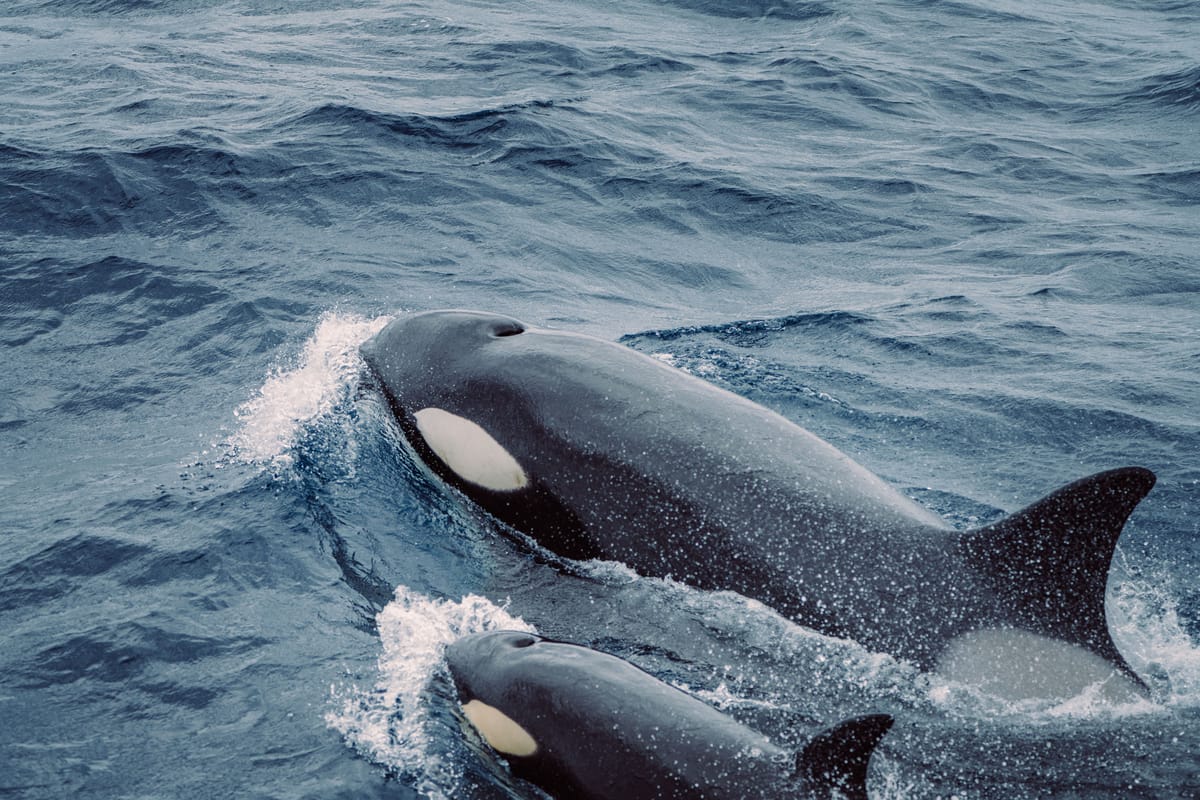
Featured photo: Orca with calf, over Bremer underwater canyon
Discover the pristine landscapes and diverse wildlife of WA’s South West on our new and exclusive eco-adventure. Witness majestic Orcas and marine life in Bremer Canyon, explore Walpole-Nornalup's tranquil inlets, enjoy birdwatching amidst towering Karri trees, and learn about the cultural history of the Noongar Nation at The Kodja Place.
The Experience
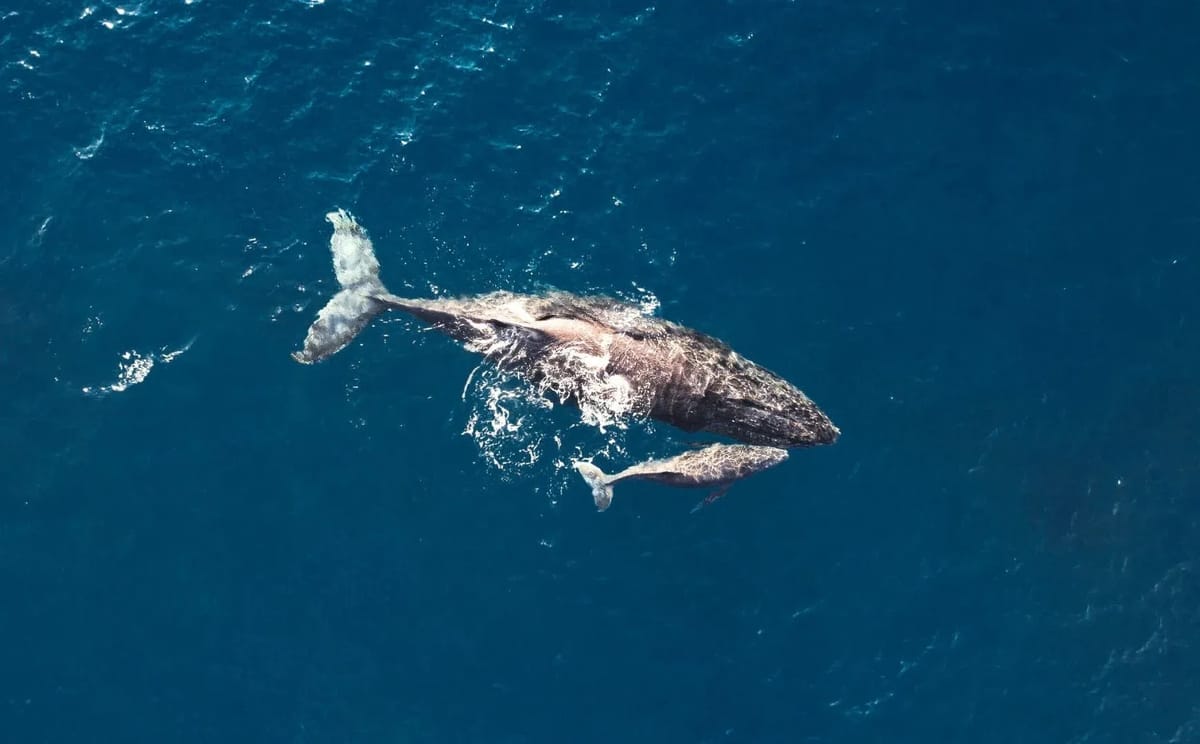
Western Australia, an ancient land spanning billions of years, boasts unique biodiversity due to its isolation with 14 endemic bird species, 30 reptiles, 12 mammals, 20 amphibians, and 4,000 vascular plants. Notable species include Carnaby’s and Baudin’s Black Cockatoos, as well as diverse mammals like Orcas, Whales, Numbats, and Quokkas. The region offers unique wildlife viewing opportunities of some of Australia’s rarest and most endangered wildlife.
What you may see
Unique Mammals
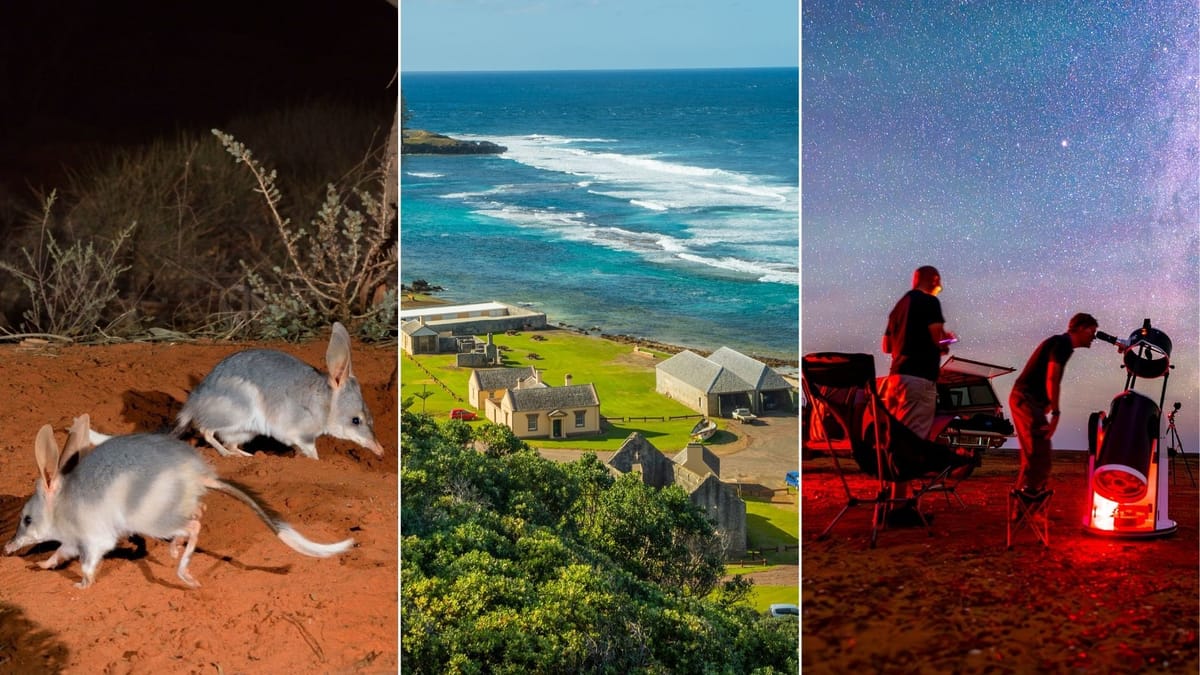
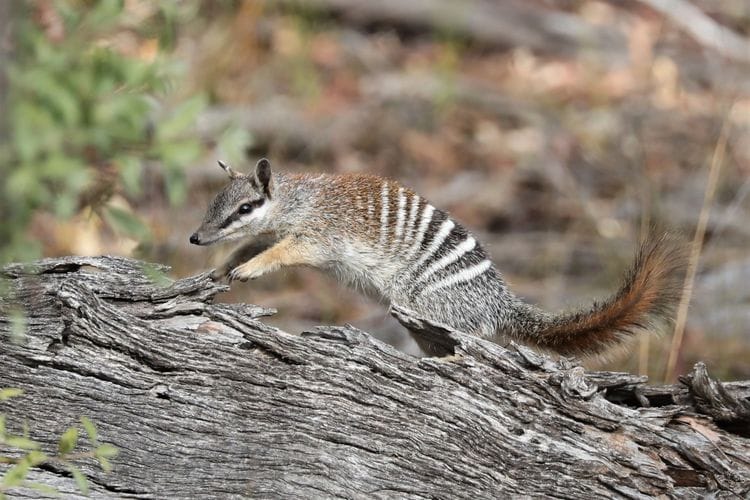
The main highlight of this region is its mammalian diversity. While Orcas are a key attraction, with high chances of sightings in Bremer Bay, our journey also offers potential viewings of Numbats, Brush-tailed Bettongs, Burrowing Bettongs, Bilbies, Honey Possums, Western Ring-tailed Possums, and more.
Endemic Cockatoos
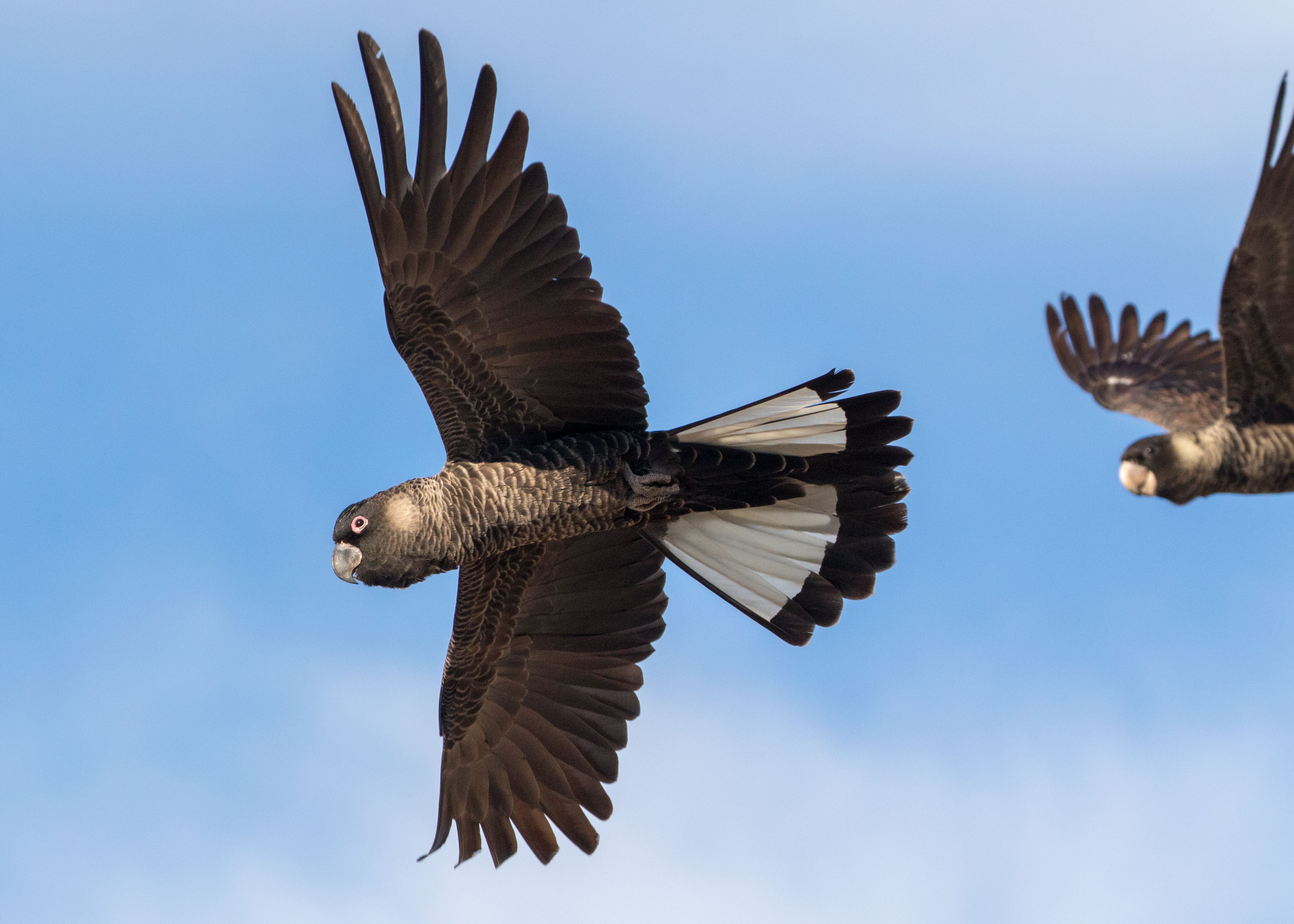
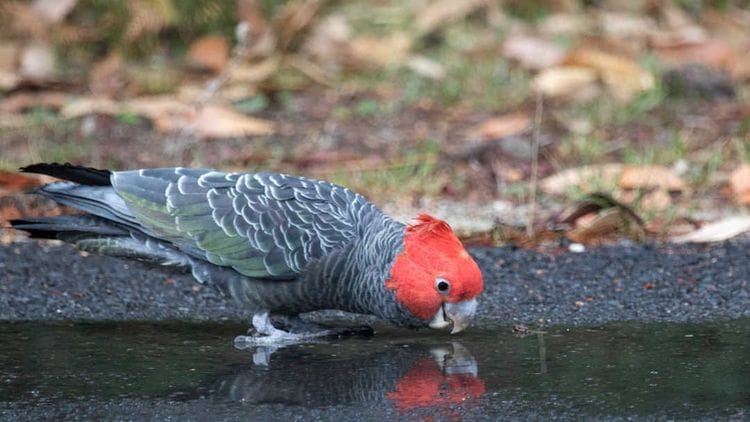
WA has it's own suite of birds, many of which are unique to the State including the Carnaby's and Baudin's Black-cockatoos. Both these cockatoos are endangered and will be monitored as part of our citizen science project
Carnaby's Black-cockatoo: endemic to WA and listed as endangered Photo: Martin Maderthaner
Reptiles special to Western Australia
Other highlights include the Dugite, Bardick, South Western Water Monitor, South Western Carpet Python, and South Western Shingleback, all possible sightings during our tour.
Amphibians with weird names
Equally fascinating are the frogs including weird names like the Motorbike Frog, Ticking Frog, and Rattling Froglet.
Plants found nowhere else
Western Australia is famous for its extraordinary variety of wildflowers, trees and shrubs which are all know collectively as vascular plants — a staggering 50% of these are found nowhere else on earth.
Link this trip to Ningaloo
While you're in Western Australia why not visit Ningaloo Reef