

Birds of East Gippsland: Australian bird watching hotspot
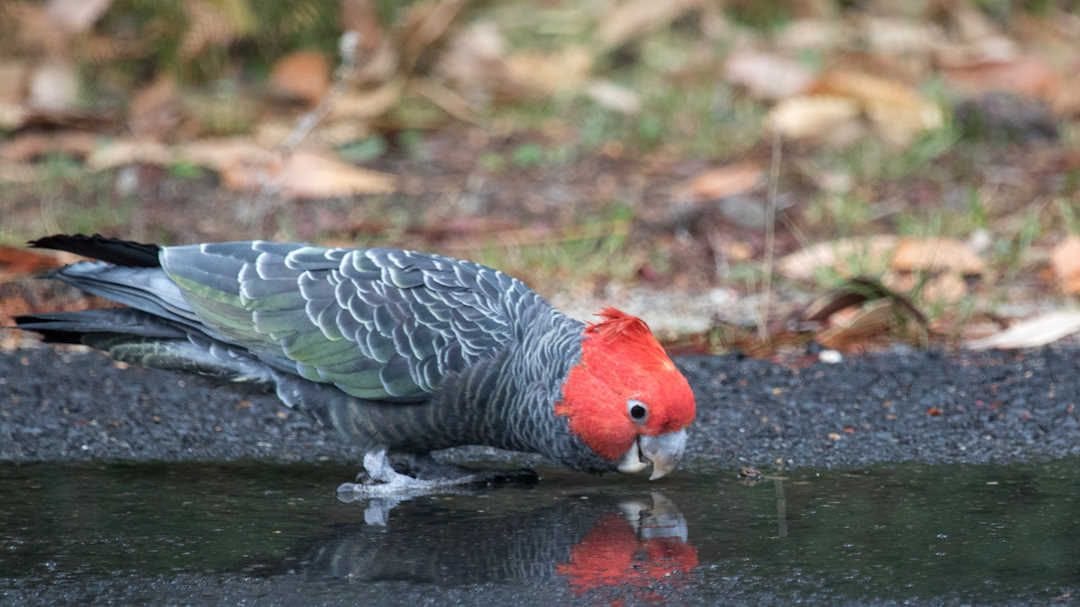
Male Gang-gang Cockatoo tops up on gravel - East Gippsland. Photo: Martin Maderthaner
Eye-popping birds of East Gippsland
One of the most eye-popping bird experiences I’ve ever had was in East Gippsland. It happened just outside the seaside village of Marlo near the mouth of the Snowy River.
I’d stopped our tour vehicle to enjoy the magnificent view of the Snowy River estuary as it makes its final huge loop turns before entering the Southern Ocean. A great flock of Black Swans flew over, honking quietly to each other.
Then one of my American guests asked: “What are those amazing birds near us with the bright red heads?” I turned, re-focussed my binoculars, and looked where she was pointing.
About 30 metres away, drinking from a large cattle trough, was the largest flock of Gang-gang Cockatoos I’d ever seen. Usually these birds are secretive and wary, but this flock was in the open and appeared totally unperturbed by our presence.
To avoid frightening the flock I asked my guests to keep their movements to a minimum, even inside the vehicle. I explained that birds have great eyesight and are easily spooked, especially Gang-gangs.
Then, as if to embarrass me, the flock flew closer and began picking up grit from the roadside*. Others followed until eventually we had most of these stunning cockatoos so close to us that we could see their eyeballs.
(*most seed eating birds require grit in their gut: it helps grind down their tough food)
Read this delightful story by Janine Duffy about East Gippsland: Gang-gang Cockatoos: the moving spirits of tall eucalyptus forest
Why are the birds of East Gippsland special?
I’ve guided tours through East Gippsland for 30 years. On every visit something amazing and unexpected pops up — be it mammal, reptile, fish or plant — the place rocks with wildlife.
But the sheer variety, and variability, of the birds of East Gippsland is what makes it my favourite bird-watching hotspot in Australia. Nothing else comes close, but why?
The answer will surprise you.
East Gippsland has a climate secret that dwells in the two great oceans that surround this south-eastern tip of Australia. Here the cold waters of the Southern Ocean and the warm waters of the Pacific Ocean collide and fight an annual battle that produces weather systems that impact on all the wildlife of East Gippsland, but especially the birds.
Some years are perfect but others can be very wet or very dry depending on which ocean wins the battle. These dramatic climate variations mean that food sources for specific birds can move from being overly abundant to negligible over 12 to 24 month cycles.
Birds that live in — or move through — East Gippsland have learnt about these cycles and will stay or move depending on what food source they use. Even permanent resident birds have learnt how to deal with these changes.
So it's the oceans that have made East Gippsland's birds so remarkable.
What special birds could you find in East Gippsland?
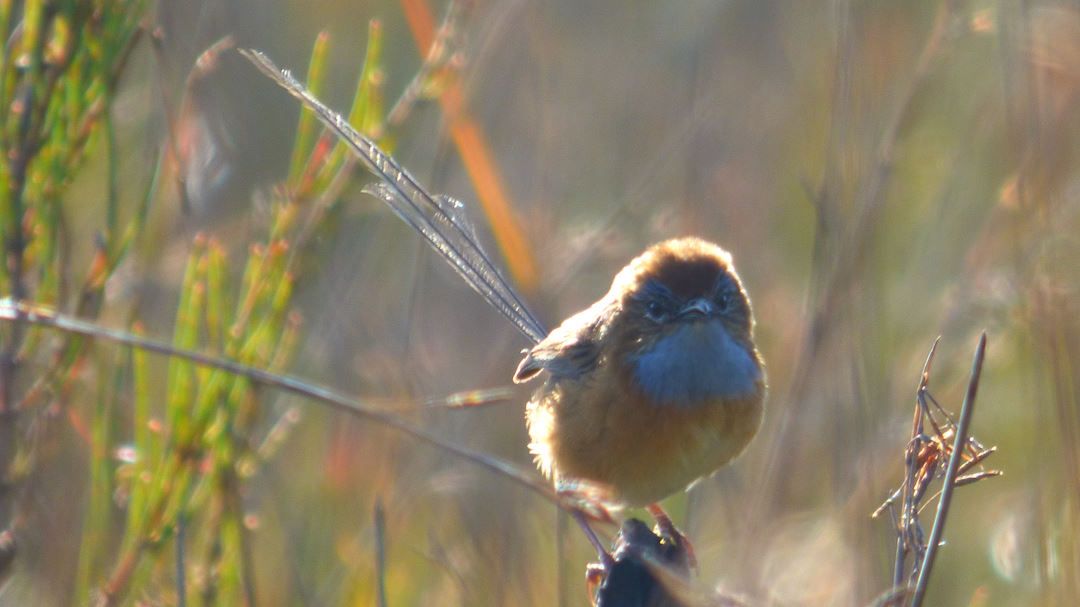
Photo: Scott Roberts
According to eBird Australia over 350 species of birds have been reported in East Gippsland which is a well over a third of all Australian birds. Depending on the year you could find almost any Australian bird in East Gippsland. For the bird enthusiast these are some of the more unusual finds that I have seen or know about - some of these are way out of their normal range:
- Lesser Frigatebird
- Channel-billed Cuckoo
- Glossy Black-Cockatoo
- Eastern-reef egret
- Beach stone Curlew
- White-bellied Cuckoo-shrike
- Peaceful Dove
- White-headed Pigeon
- Spotted Harrier
- Black Falcon
- Osprey
- Pacific Swift
- Lathams Snipe
- Eastern Bristlebird
- Ground Parrot
- Southern Emu-wren
- Topknot Pigeon
- Koel
- Figbird
- Spangled Drongo
Some of these birds are found in more northern locations in Australia but the big difference with East Gippsland is that not only could you see the above list but you can also see many of the more common southern birds of Australia.
How do you get to see the birds of East Gippsland? Is it easy to get there?
Unlike many other birding hotspots in Australia, East Gippsland is easy to get to — it's on the east coast of Australia, halfway between Melbourne and Sydney, and the roads are good so anyone can drive there. My suggestion for best places to go birding are Mallacoota and around Orbost and Marlo. Here's a story about another great birdwatching location: Birding around Cann River and Noorinbee, East Gippsland.
Have a great time finding the birds of East Gippsland: one of Australia's best bird-watching hotspots!
ABOUT THE AUTHOR
Roger Smith writes Australian Geographic’s Treading Lightly column and is Director of Conservation Travel at Australian Geographic Travel (AGT) where oversees AGT's Conservation Travel and Sustainable Tourism program. In 1992, with his partner Janine Duffy, he set up one of Australia's leading wildlife tourism companies, Echidna Walkabout Nature Tours which is now a subsidiary of AGT with Roger staying on as its General Manager
Jul 25, 2024
Read More
Must-See Western Australia Wildlife: Link Your Adventure
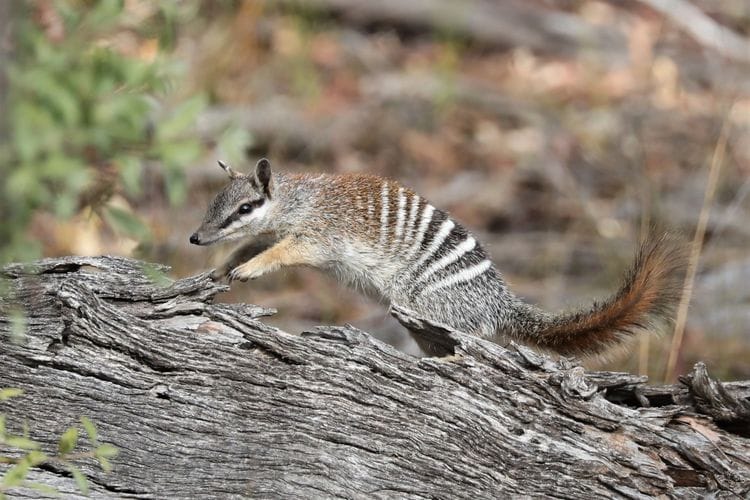
Iconic is the only way to describe Western Australia’s coastal wildlife. Where can you see Numbats, Orcas, Whale sharks and Rock-wallabies?
The Day the Nullarbor Awoke: A Surreal Train Journey
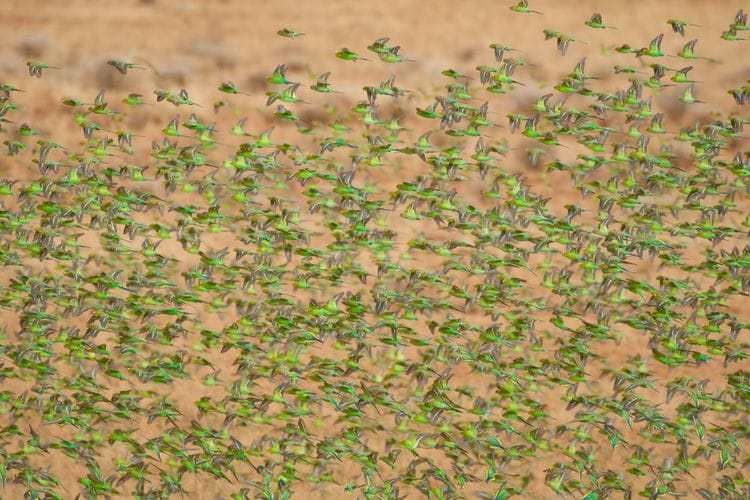
As the Indian Pacific train rumbled across Australia's vast, seemingly lifeless Nullarbor Plain, a massive kaleidoscope of green feathers erupted from the desert waking the passengers from their Nullarbor Trance