
Must-See Western Australia Wildlife: Link Your Adventure
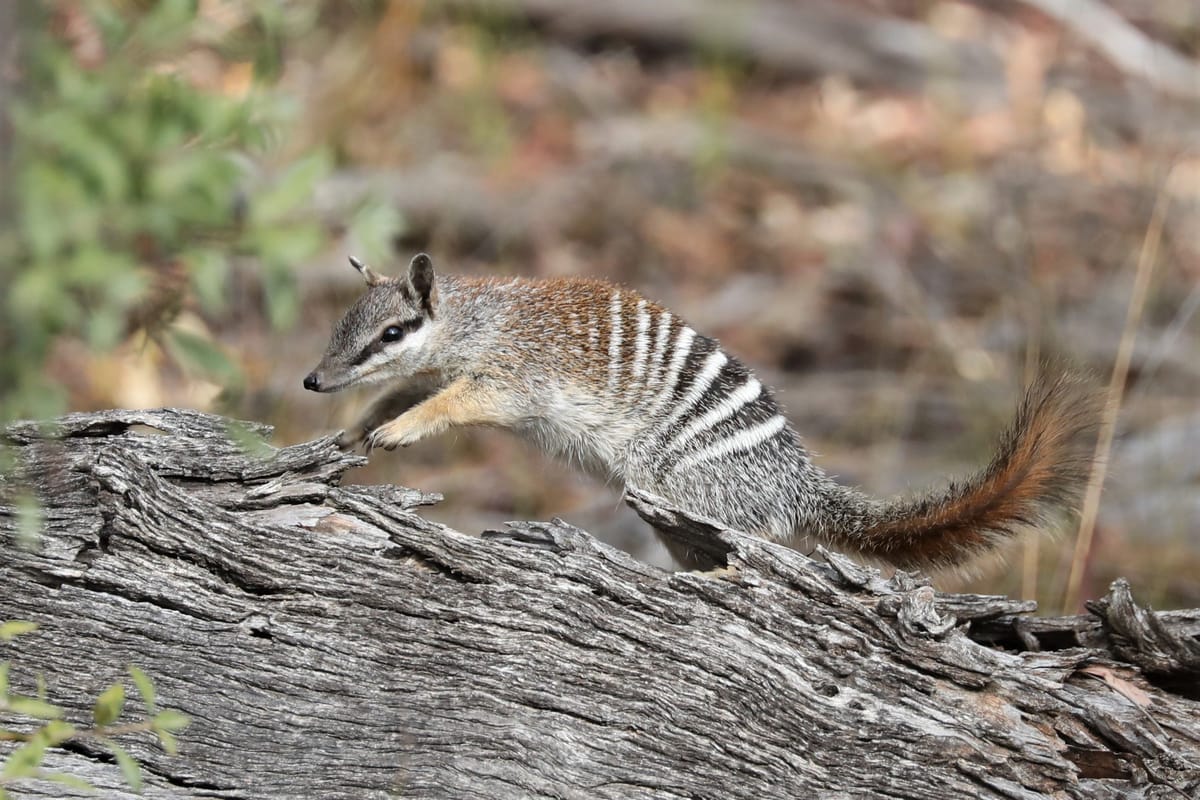
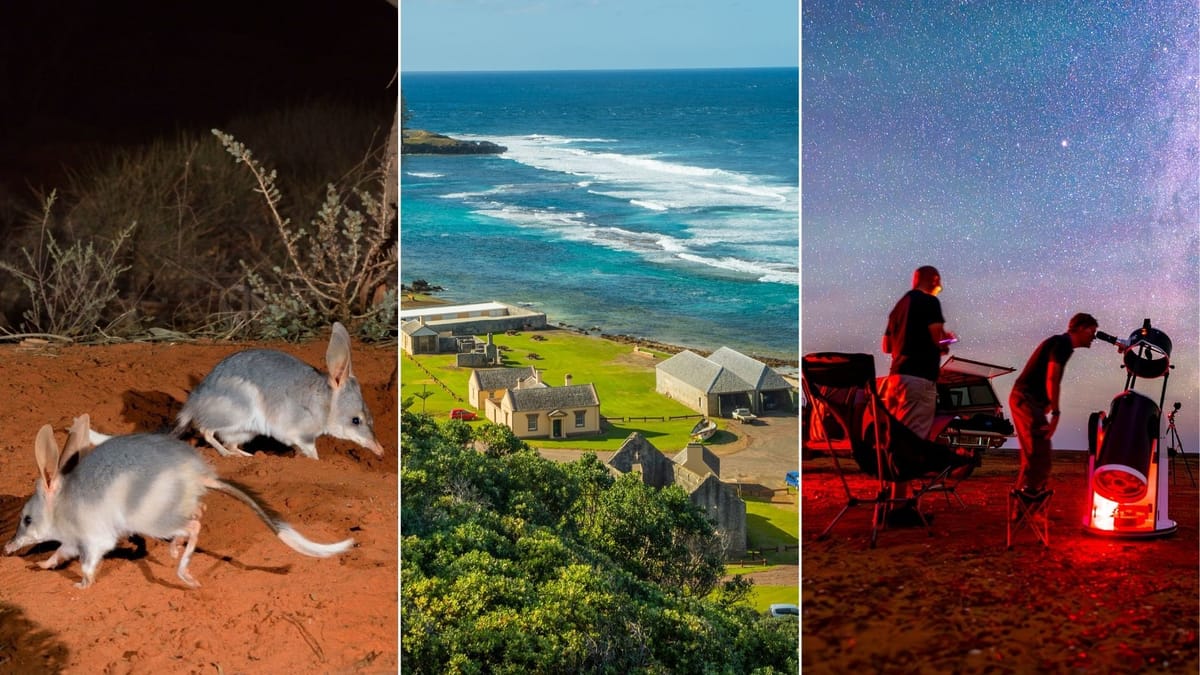
Feature photo: the Numbat - one of Australia's most threatened marsupials Photo: Keith Meadows
Iconic is the only way to describe Western Australia’s coastal wildlife. Where else can you see Numbats, Orcas, Whale sharks and Rock-wallabies? In this story we tell you how to see them by linking two in-depth wildlife adventures.
Western Australia : an ancient, vast landscape
To understand how extraordinary Western Australia is we need to start with a tiny gemstone created at the beginning of time.
As large crystals, zircons are rarer gems than diamonds and almost as valuable. However, in its common form, as sand particles, zircon has little value. But a deposit of zircon sand, found in 1984 in the Jack Hills in a remote corner of Western Australia (WA), became incredibly valuable — to geology — because they told a 4.4 billion year old story. Scientific analysis of the sand showed that WA is one of the oldest places on earth (details at the end of this story). WA is also very big.
Western Australia would engulf western Europe and the UK…with room to spare; Texas would fit into it 4 times over; it makes up a third of the Australian land mass, which is roughly the same as a third of continental USA, but hardly anyone lives there.
The human population of WA is tiny with most people living in the capital city of Perth and the rest scattered across a vast, dry outback at a ratio of about 2 people per square kilometre. So why would anyone want to go there?
Where the desert meets the sea
I’ve flown over WA many times. There’s something indescribably beautiful about it that knocks you out when you first see it from the air. Leaping up at you is a continuous array of ochre reds, yellows and browns stretching from horizon to horizon. This scene is dissected by thousands of vast braided ‘streams’, mostly utterly dry and filled with millions of tonnes of sand eroded out of the original rocks over billions of years. The obvious age and vastness of the place beggars belief.
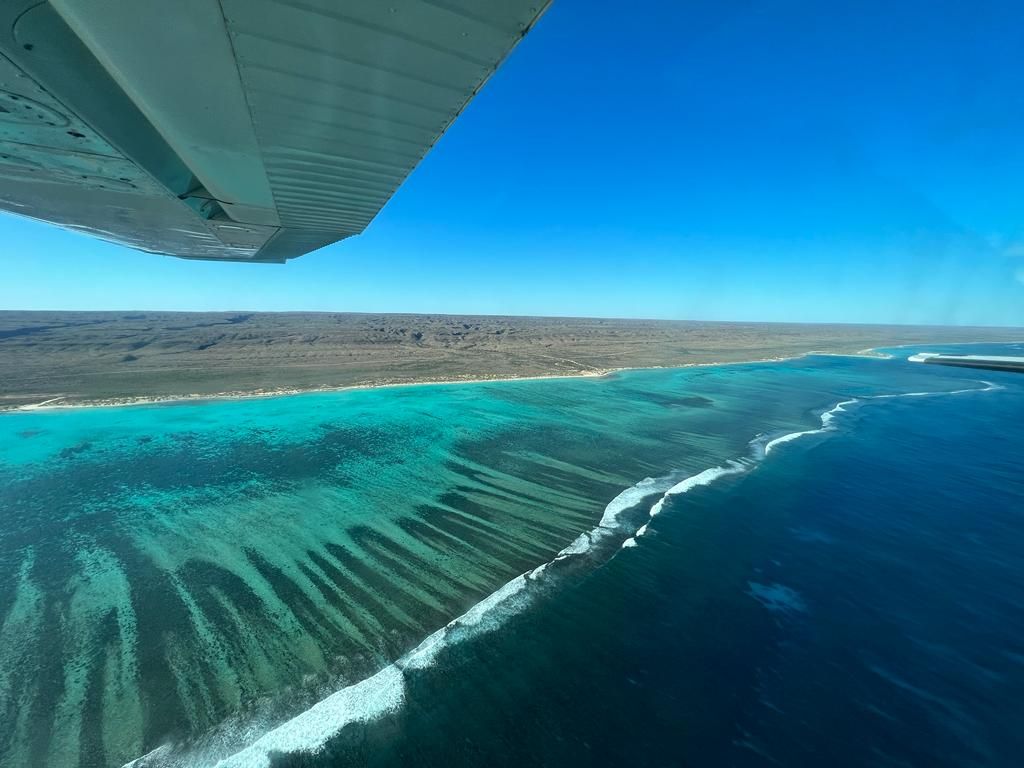
Then, like crossing a threshold, the ochre land stops and you are confronted with an aqua blue ocean. Here, where land meets sea, is where you’ll find two of Australia’s best wildlife locations.
Must-see Wildlife: Numbats & Orcas of the south-west
Have you ever seen a Numbat in the wild? Not many people have because they are one of the world’s most endangered animals with an estimated 800 mature animals left in the wild. Yet these endearing marsupials once thrived across much of Australia. The ONLY place you can now see them in the wild is in south-western Western Australia and even that can be challenging.
Dryandra Woodland National Park, south west of Perth, is a known location to spot the Numbat but they move so fast and are so rare that the best way to find them is with a guide who knows where to look. Believe me, it's worth the effort to spot one of these high speed termite eating critters.
Because they eat termites — which are daytime insects — Numbats are one of Australia’s few fully diurnal carnivorous marsupials meaning they can be seen at pretty much any time during daylight hours.
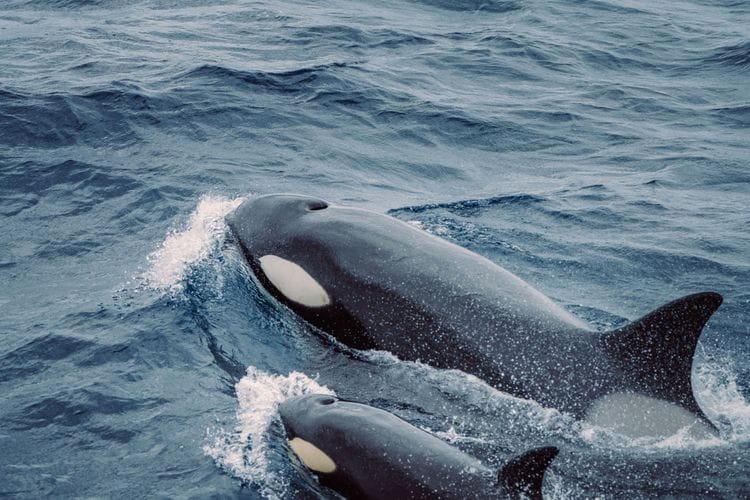
Another animal many people have never seen is the great hunter of the sea: the Orca (aka Killer Whale). Although they are more common than Numbats, Orcas are not readily seen unless you know where to find them.
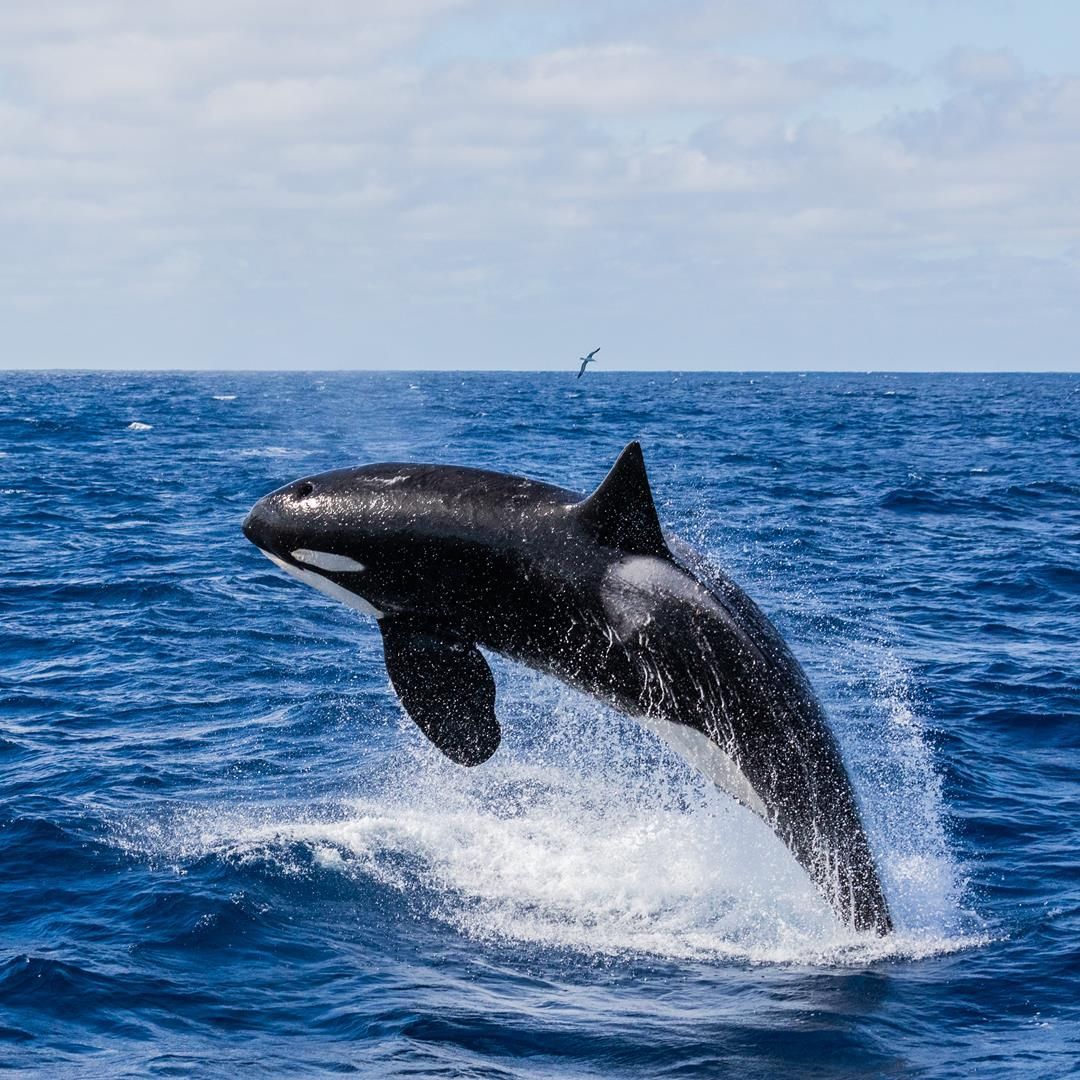
Bremer Bay in south-western WA is the best place to see Orcas in Australia so if you visit the region to look for Numbats you can hook up with the Orcas to add extra spice to the trip!
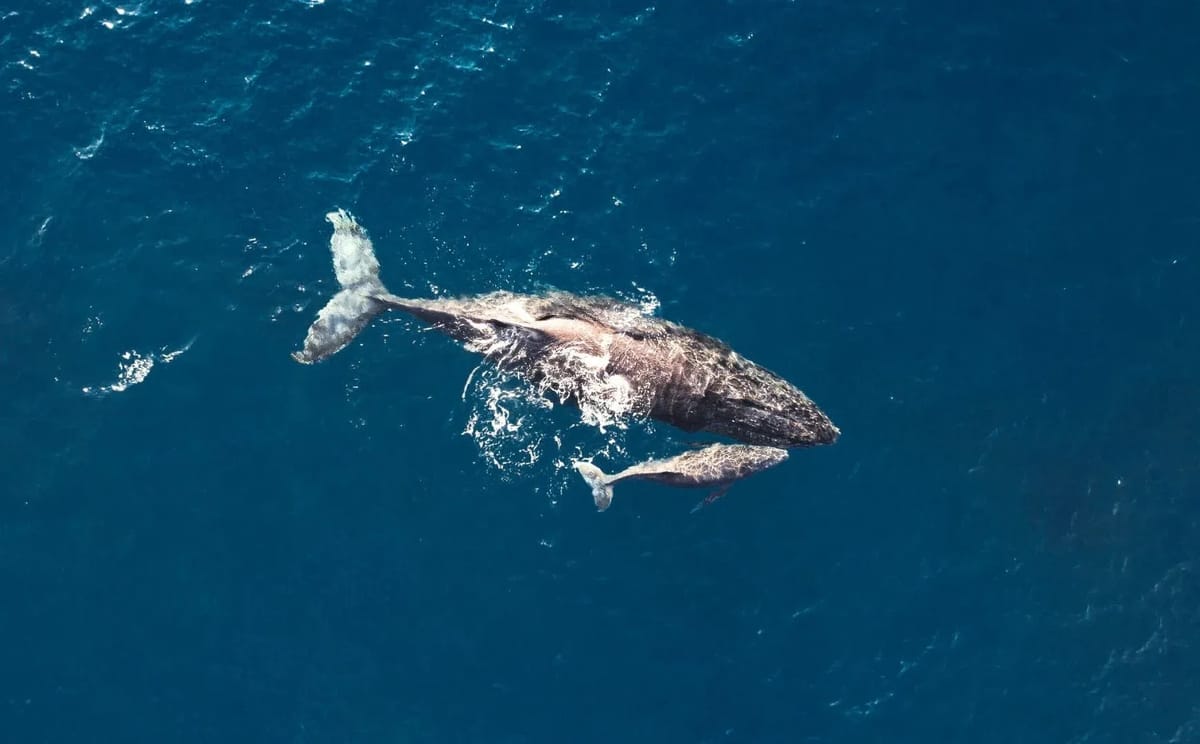
Bremer Bay’s ocean floor geography produces an astounding abundance of aquatic life. Here, a gigantic underwater canyon funnels water from the ocean depths into the shallows of the continental shelf. This “upwelling” - rich with nutrients, plankton, and krill - provides a smorgasbord to thousands of whales of many species.
Orca packs track and hunt whales through Bremer and with the right knowledge and timing you will almost certainly see them, along with Blue Whales and many other species of oceanic mammals and fish.
Must-see wildlife: Whale sharks & Rock-wallabies of Ningaloo
Speaking of fish, WA is home to the world's largest. Far away from the cool waters of Bremer Bay, halfway up the western coast of Australia, lies the warm waters of Ningaloo Coast World Heritage Area. Ningaloo’s spectacular fringing reef attracts thousands of species of fish from fingernail sized sea horses all the way up to the mega-sized Whale Sharks.
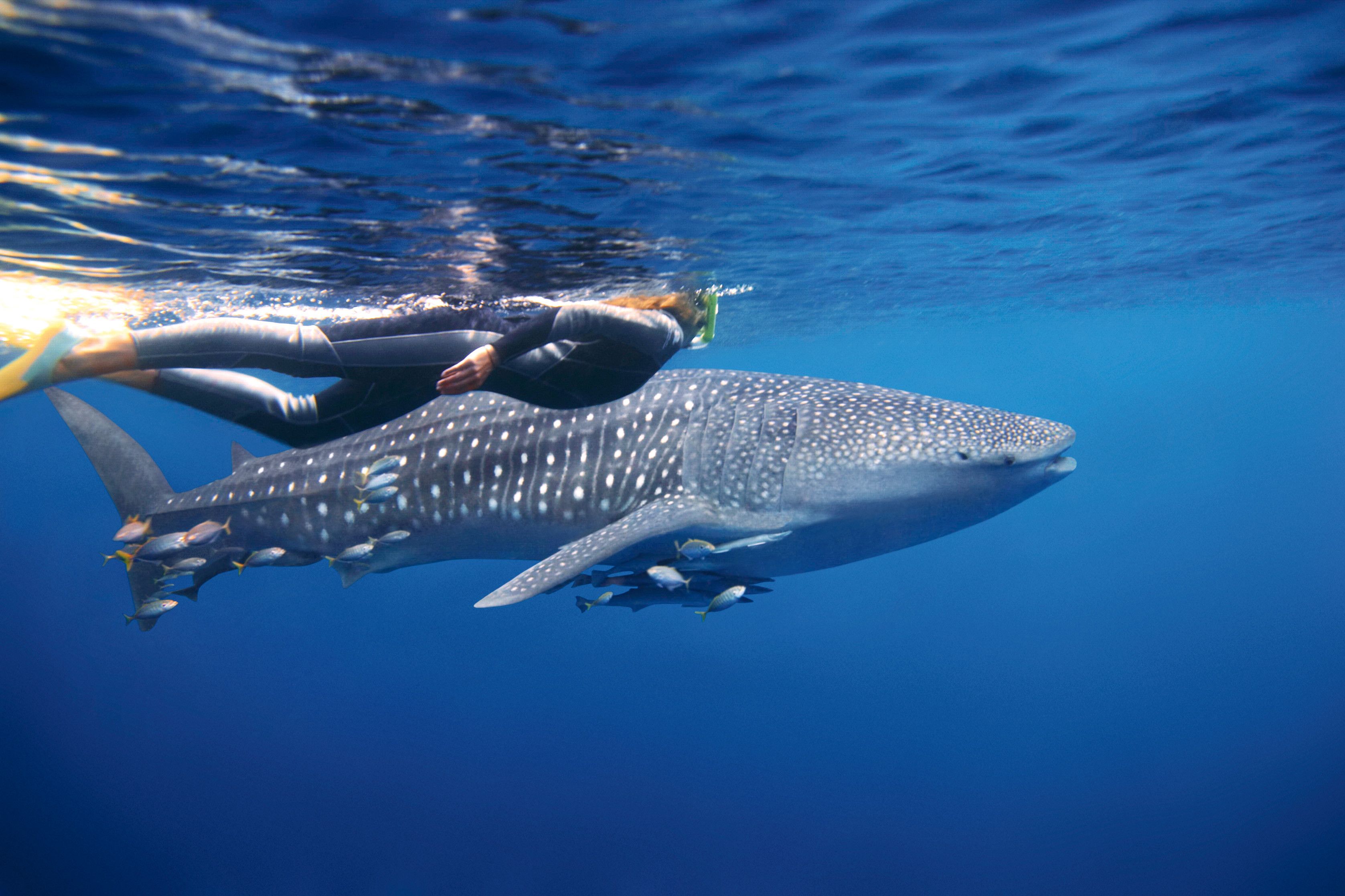
Each year from March to July hundreds of Whale Sharks cruise along the ocean side of Ningaloo reef hoovering up plankton and small fish. To snorkel with these magnificent creatures should be on everyone’s bucket list — I’ve done it numerous times and I can tell you absolutely nothing compares with the buzz of swimming beside these huge, harmless fish.
But, as spectacular as whale sharks are, Ningaloo has much more to offer. At sea you’ll see corals everywhere surrounded by thousands of fish species, manta rays, dolphins, whales, turtles and sea snakes….the reef is a never ending parade of life. What’s often forgotten is Ningaloo’s dramatic coast and hinterland divided by steep, ancient gorges that are some of the most spectacular in Australia.
Deep in some of these gorges lives the tiny, endangered Black-flanked Rock-wallaby. Like the Numbat, this wallaby was once abundant across central WA and into the Northern Territory. It is now confined to a few, fragmented, populations one of which is in the canyons of the Cape Range National Park beside Ningaloo.
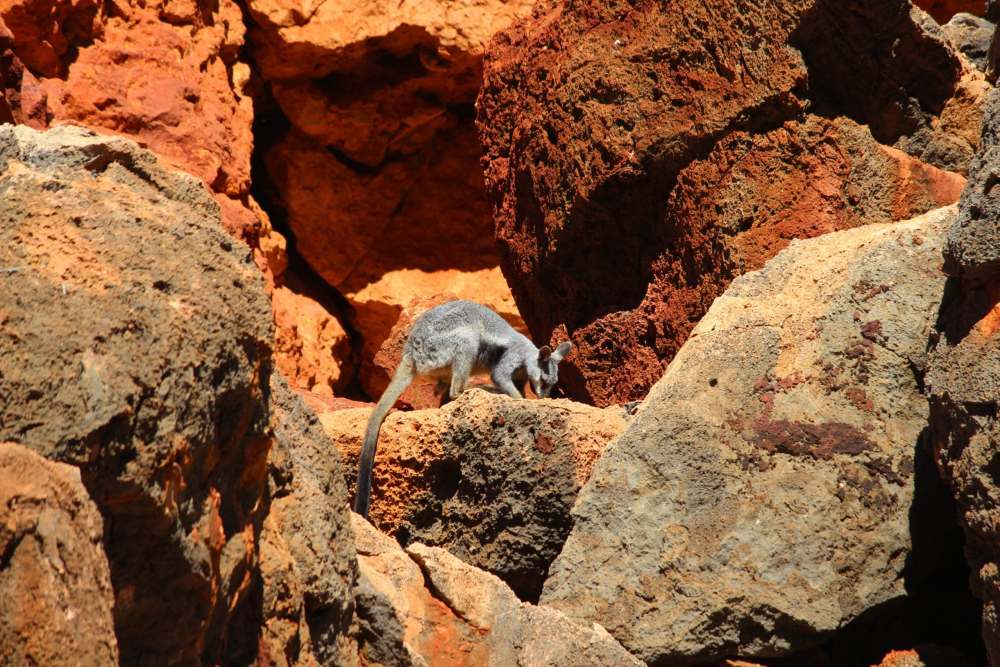
With careful management of introduced predators, the Cape Range population is slowly increasing but it needs all the help it can get to bring it out of its vulnerable conservation status.
How to link your WA wildlife adventures
As a wildlife guide for over 30 years I believe that south-western WA and Ningaloo are two of the best locations in Australia to link wildlife in the sea and on land. The mix of wildlife is staggering.
Numbats, Orcas, Whale Sharks and Black-footed Rock-wallabies can be hard to find unless you know where to see them. You also need to know which are the best times and the best locations. Good Wildlife Guides know how to go about finding these amazing creatures. They also have highly honed skills on how to approach them so you have the best opportunity to both see and enjoy them. Plus they have a deep sense of responsibility about caring for and protecting the environment
Australian Geographic Travel offers two unique citizen science styled trips that can be linked together to create one of Australia's most extraordinary wildlife adventures. Leaders on these trips are experienced Wildlife Guides with an intimate knowledge of the south-west and Ningaloo regions of WA. Both these trips are 7 days in duration and can be combined or booked individually
More information on Western Australia's ancient history
The zircon at Jack Hills has been aged at about 4.4 billion years. To put this in context, Planet Earth is approximately 4.5 billion years old. For those who wish to look into a detailed analysis of the phenomenal zircon discovery at Jack Hills here's a link to an in depth scientific paper:
The Oldest Terrestrial Mineral Record: Thirty Years of Research on Hadean Zircon From Jack Hills, Western Australia
Aaron J. Cavosie, John W. Valley and Simon A. Wilde | Curtin University, Perth, WA, Australia | University of Wisconsin, Madison, WI, United States
ABOUT THE AUTHOR
Roger Smith writes Australian Geographic’s Treading Lightly column and is Director of Conservation Travel at Australian Geographic Travel (AGT) where he oversees AGT's Conservation Travel and Sustainable Tourism program. In 1992, with his partner Janine Duffy, he set up one of Australia's leading wildlife tourism companies, Echidna Walkabout Nature Tours which is now a subsidiary of AGT with Roger staying on as its General Manager
Oct 10, 2024
Read More
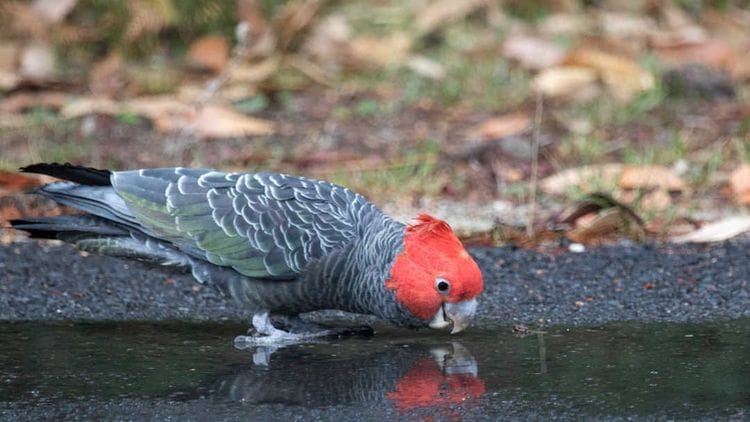
Birds of East Gippsland: Australian bird watching hotspot
Over the past 10 years East Gippsland has become known as one of Australia's best bird-watching locations. Located in Australia's south-eastern corner its prolific birdlife is supported by huge conflict between two mighty oceans.
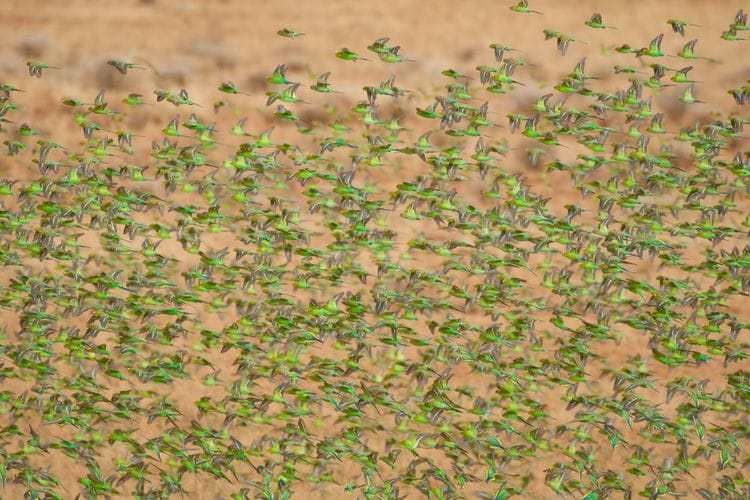
The Day the Nullarbor Awoke: A Surreal Train Journey
As the Indian Pacific train rumbled across Australia's vast, seemingly lifeless Nullarbor Plain, a massive kaleidoscope of green feathers erupted from the desert waking the passengers from their Nullarbor Trance