
10 Reasons to Visit Norfolk Island with Australian Geographic Travel
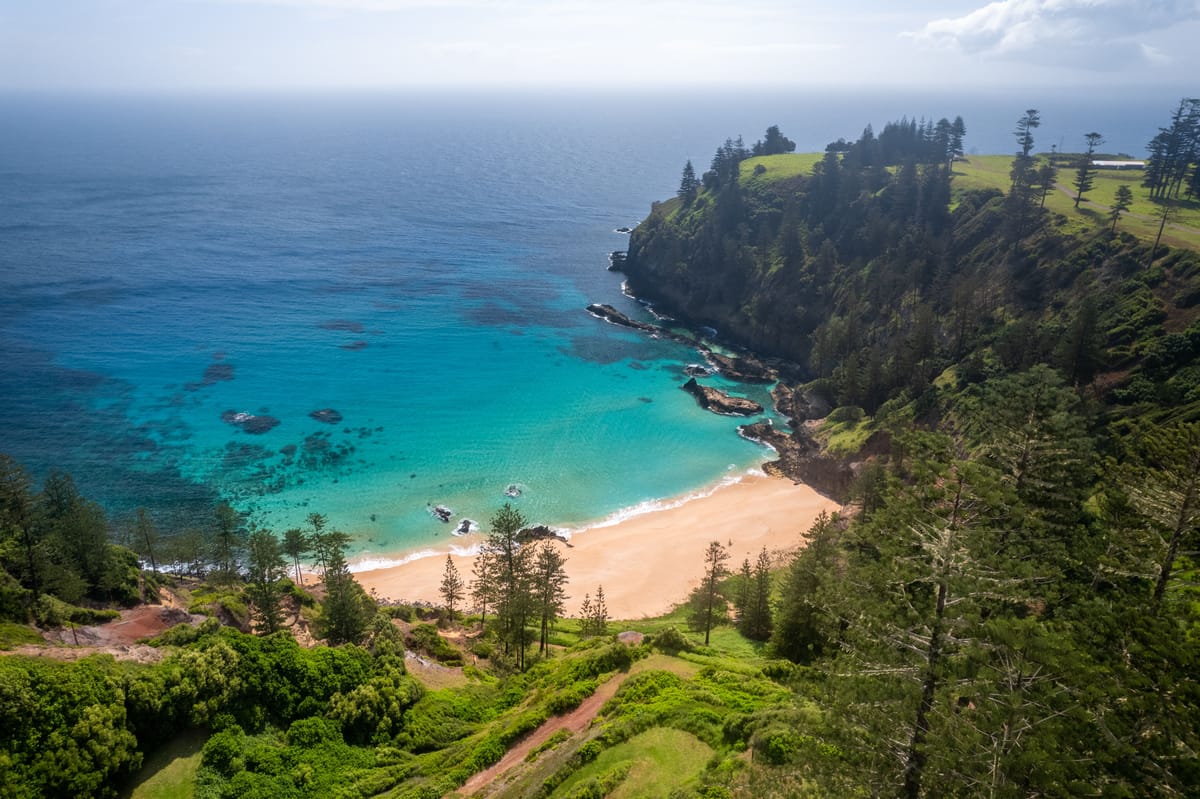
Norfolk Island sits 1,400km off Australia’s east coast. Most Australians have never been there, which is surprising given what the island offers: World Heritage sites, some of Australia’s rarest wildlife, and an active conservation community. If you’re considering one of the 2026 expeditions (May 10-15, September 20-25, or October 25-30), here’s what you’ll experience.
1. Track the morepork owl with National Park Rangers
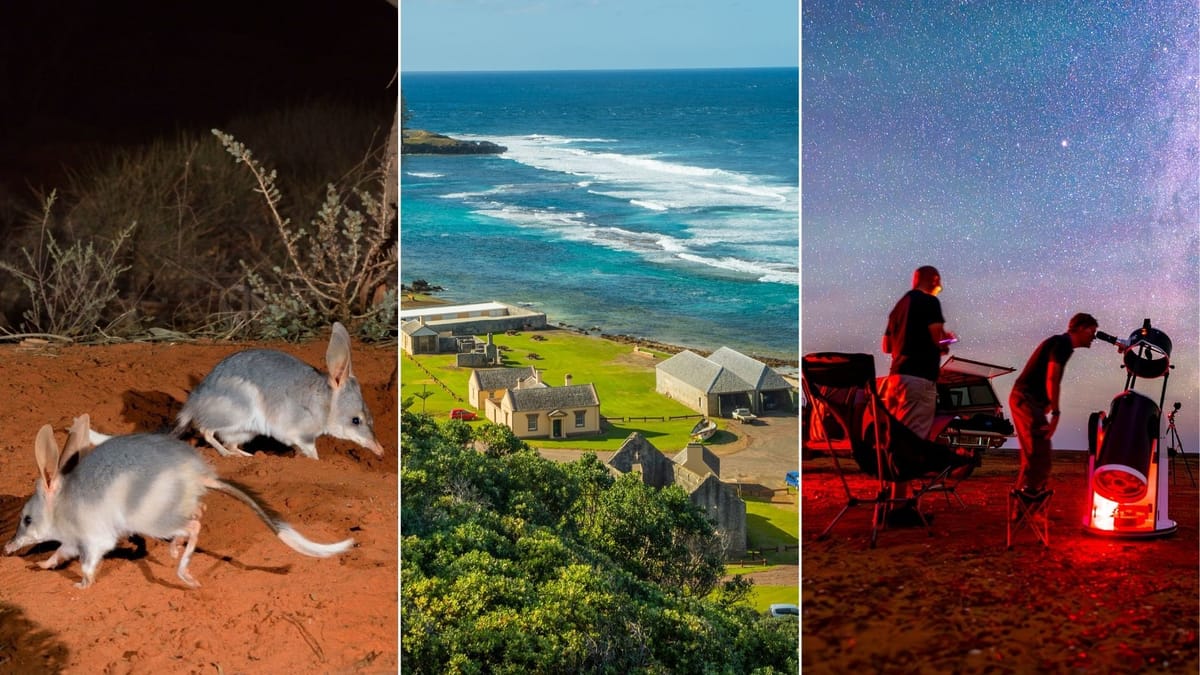
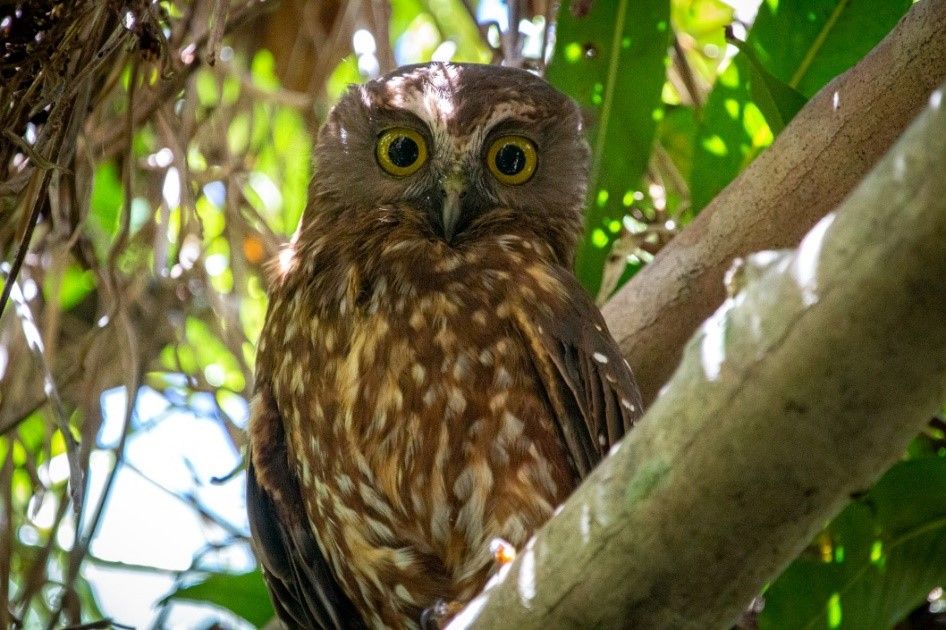
On your first night, you’ll head into Norfolk Island National Park with a ranger to search for morepork owls. These birds nearly went extinct in the 1980s, when only one female remained on the island. The solution was importing male morepork owls from New Zealand, hoping they’d breed with the last Norfolk female. It worked. Today, there are about 50 breeding pairs.
You’ll walk quietly through Norfolk pine forests after dark, visiting known hotspots and listening for their distinctive two-note call. Depending on the season, you might see a nest box in use. There’s no guarantee you’ll see one, but the rangers know where to look.
2. World Heritage History from Local Guides
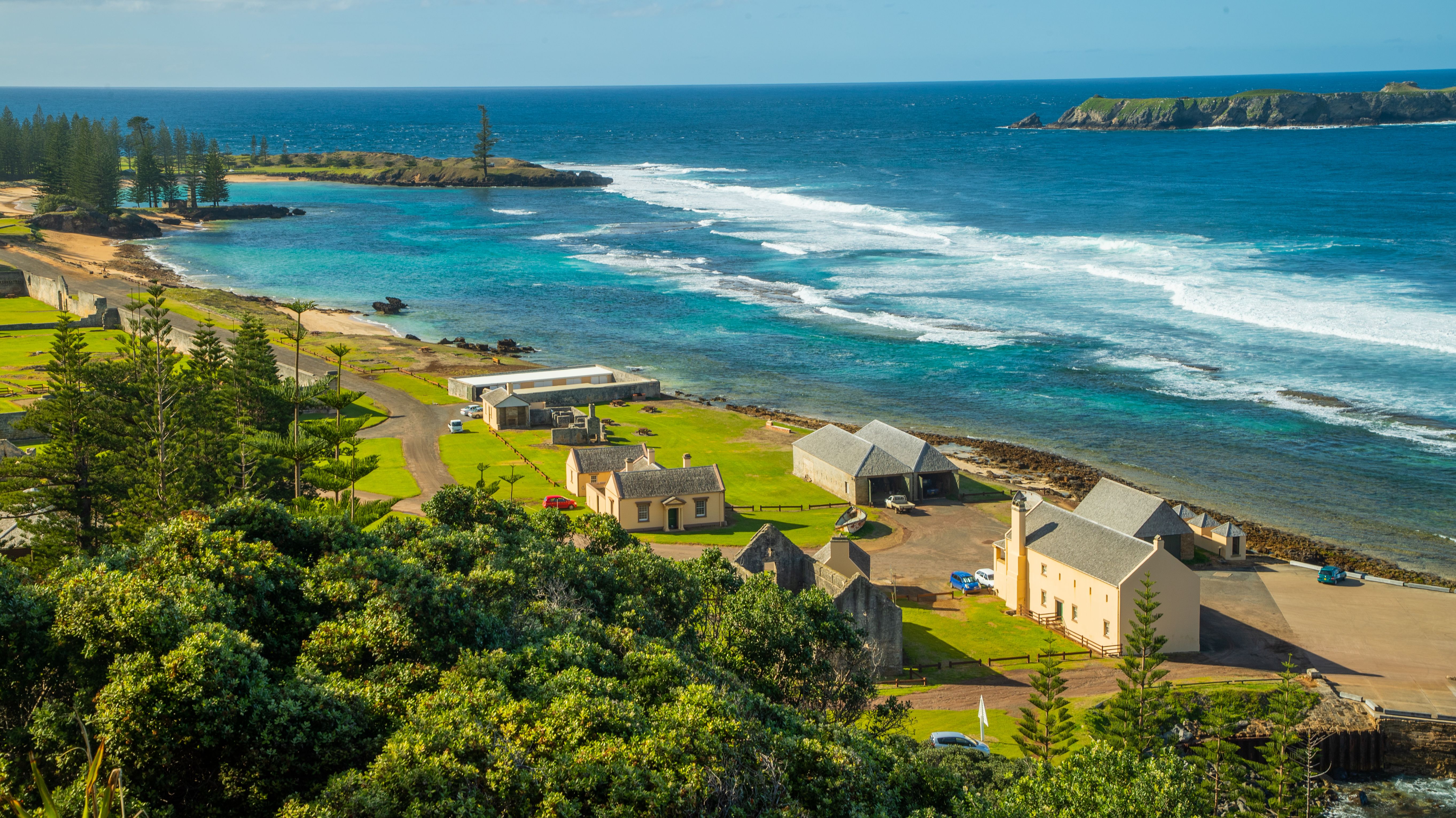
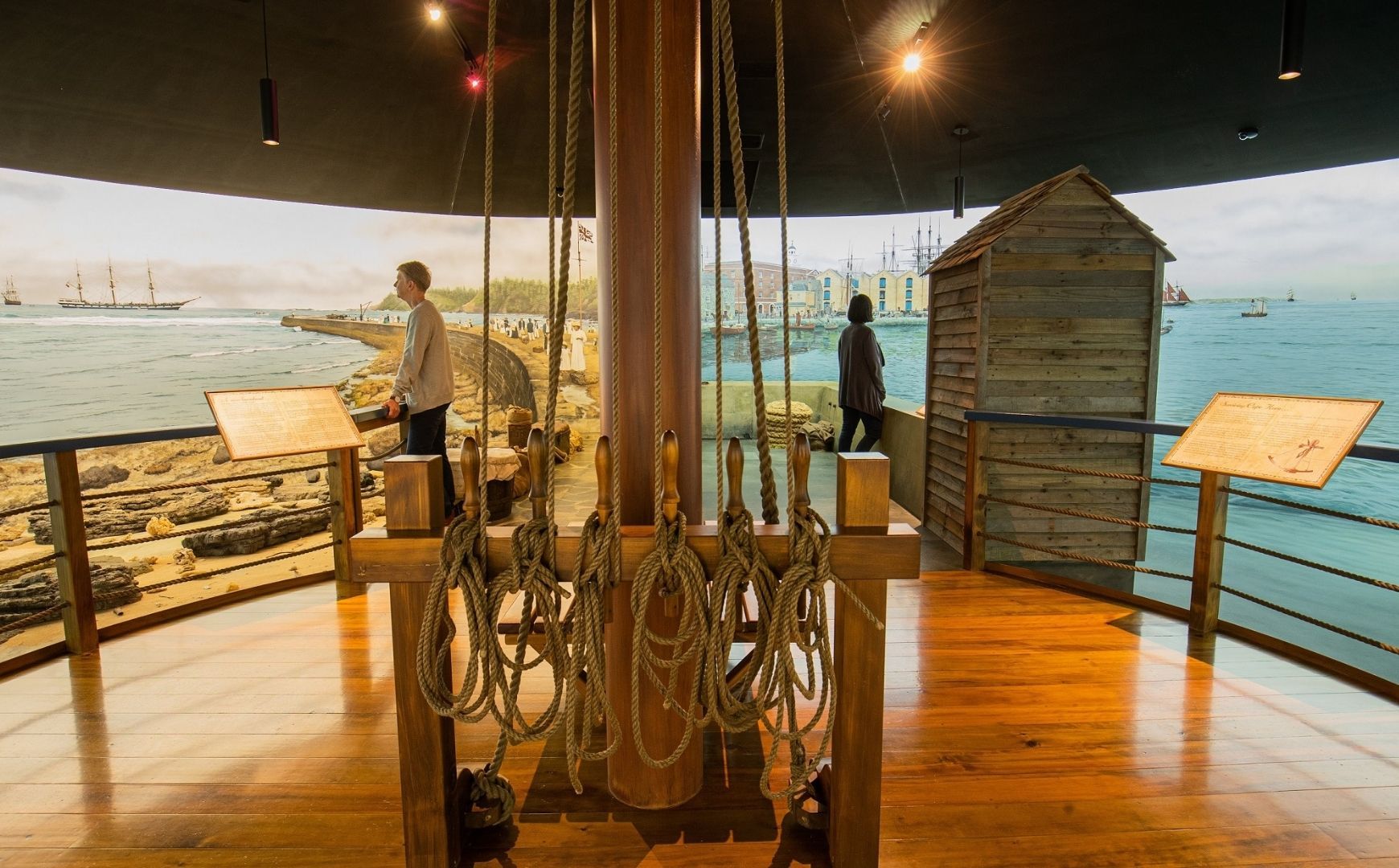
Kingston’s Georgian settlement is a UNESCO World Heritage site. The tours are led by local historians, many of whom are direct descendants of the convicts, soldiers, and Pitcairn Islanders who lived there.
You’ll walk through the cemetery and hear about the four settlements: Polynesian, two convict periods, and the 1856 arrival of Pitcairn Islanders. They tell family stories passed down through generations. The community still speaks Norf'k, a language blending 18th-century English and Tahitian.
3. Conservation work
You’ll spend an afternoon with the Norfolk Island Flora & Fauna Society—local volunteers who coordinate habitat restoration. This means weeding out invasive species and planting endemic trees.
It’s physical work. You’ll be outside, getting your hands dirty, doing the same tasks the volunteers do regularly. They’re honest about the challenges: limited funding, introduced pests, and difficult decisions about priorities. Your contribution is small but tangible—the trees you plant will be there for decades.
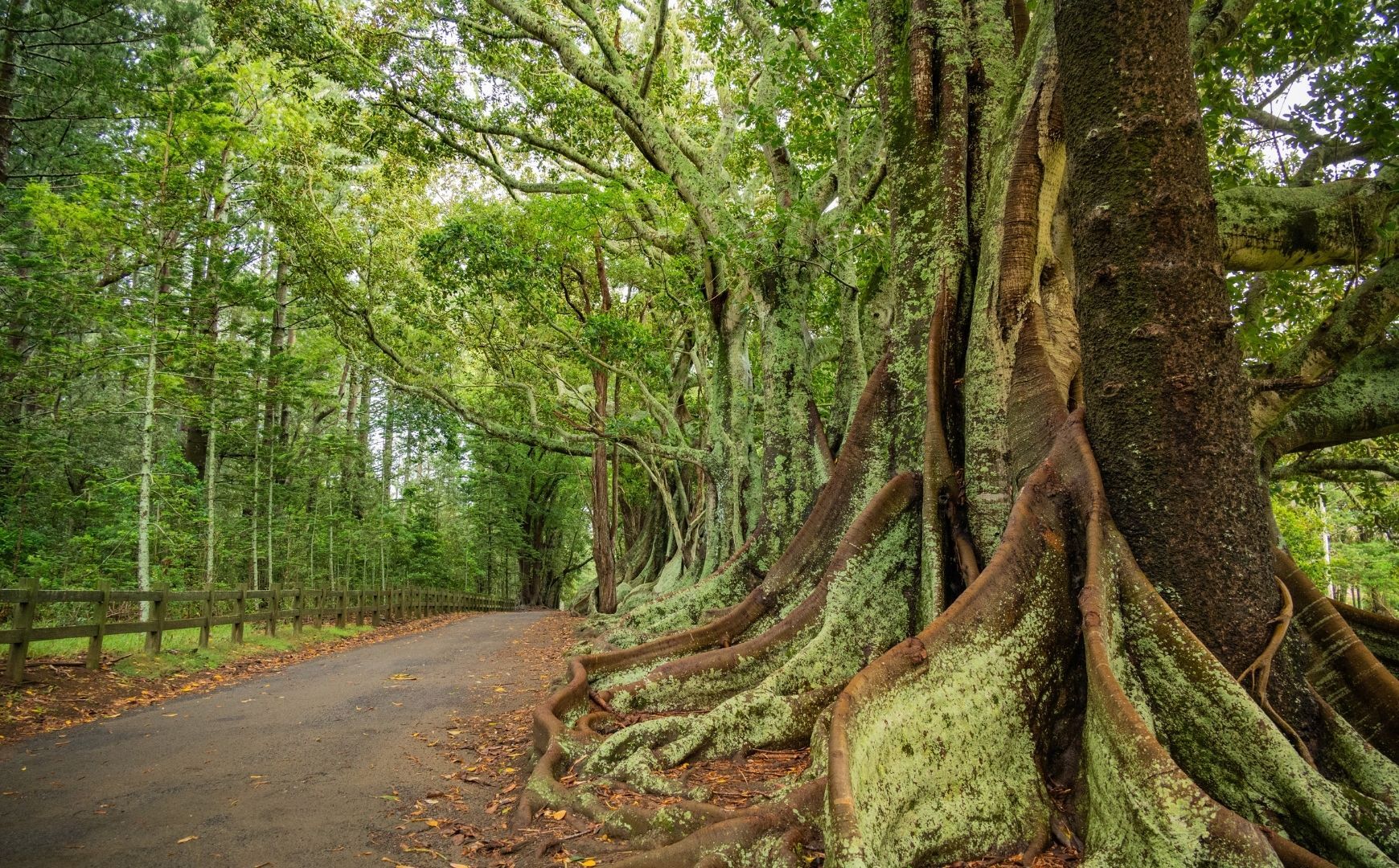
4. Bird Watching with Margaret Christian
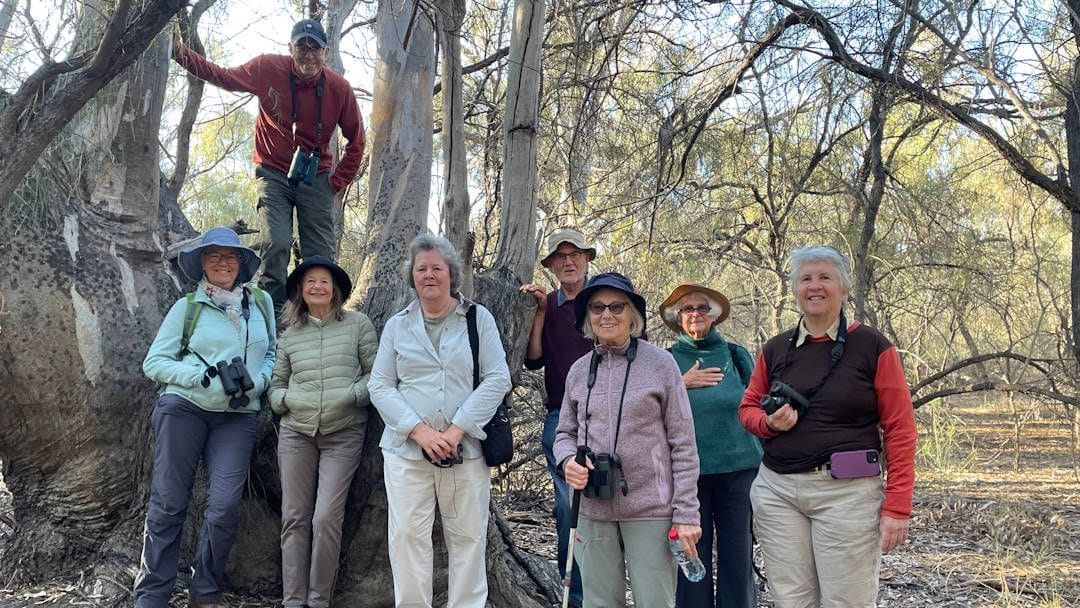
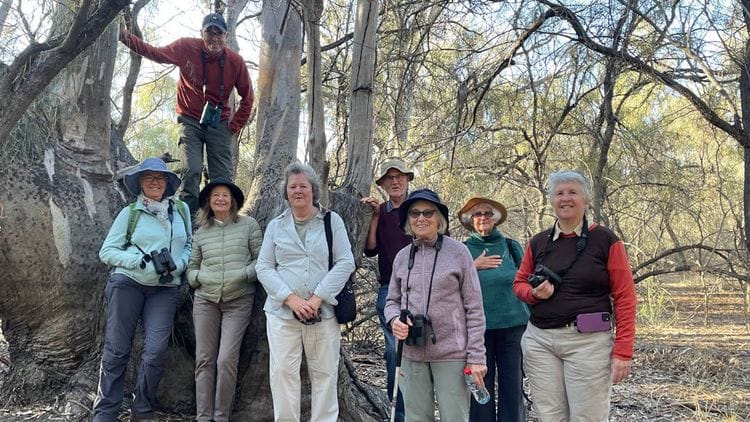
Margaret Christian is Norfolk’s most experienced birding guide. She’s spent decades studying the island’s 25+ endemic and rare species, and she knows where they nest and feed and which behaviours to watch for.
The island has fewer than 200 Norfolk Island green parrots left. You’ll also look for white terns, scarlet robins, gerygones, and, depending on the season, migratory seabirds on clifftop rookeries. Margaret doesn’t just point them out—she explains the conservation challenges each species faces and what’s being done about it.
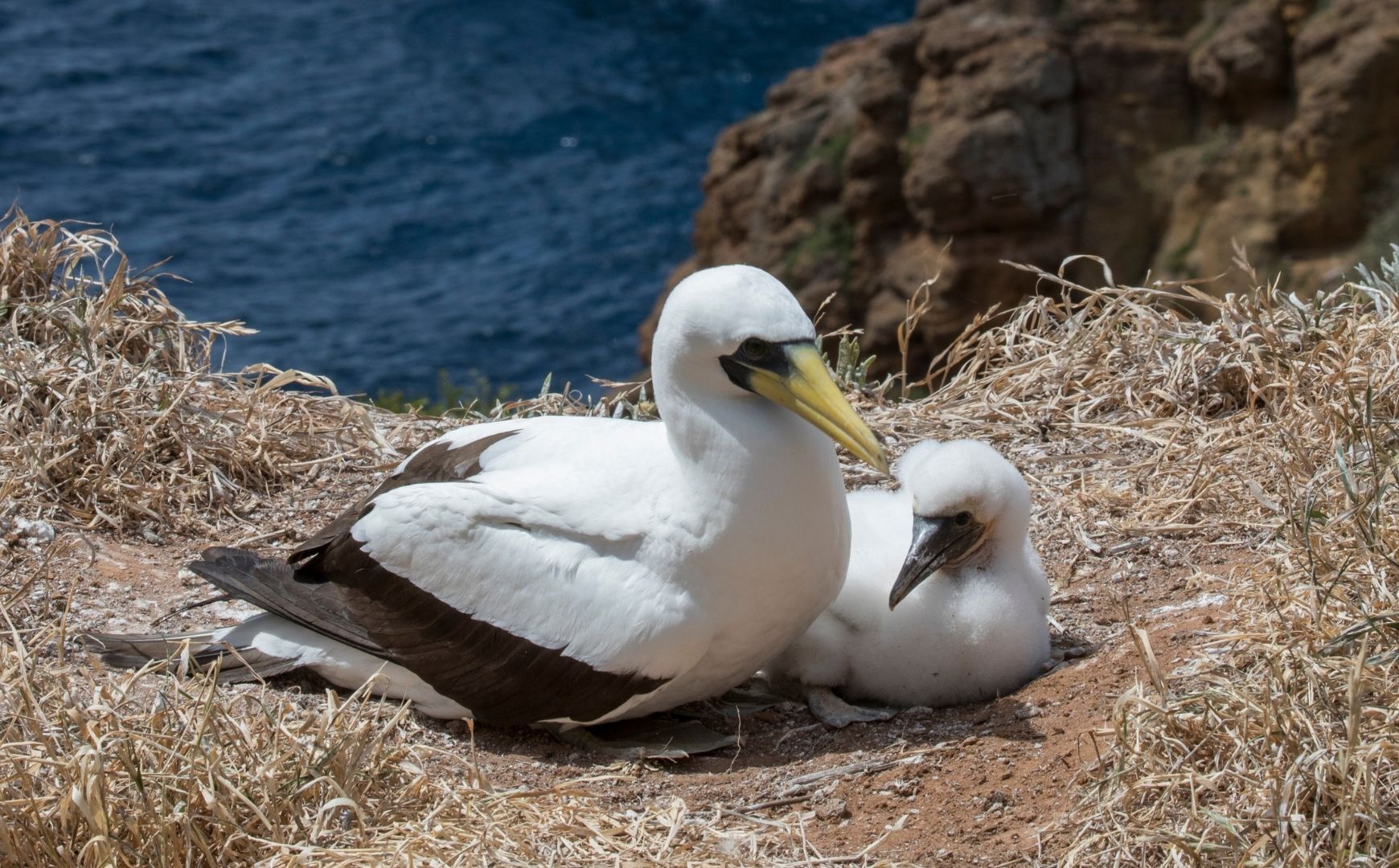
5. Four Themed Dinners
Norfolk has developed a unique style of historical tourism—theatrical dinner experiences that present history through storytelling and performance.
You’ll attend four over the six days:
- “Who Killed the Surveyor?” - A murder mystery set in 1859, where you help solve a whodunit while dining in a restored Kingston building
- Night on the Bounty - Interactive storytelling about the journey from England to Tahiti and the mutiny
- Commandants’ Dinner - Costumed actors share convict-era stories, some shocking, with traditional English fare
- 1856 - The Untold Story - The Pitcairn Islanders’ arrival and adaptation to what was once a feared penal settlement
These aren’t high theatre, but they’re well-researched and engaging. The history is accurate, the food is good, and it’s more memorable than reading plaques.
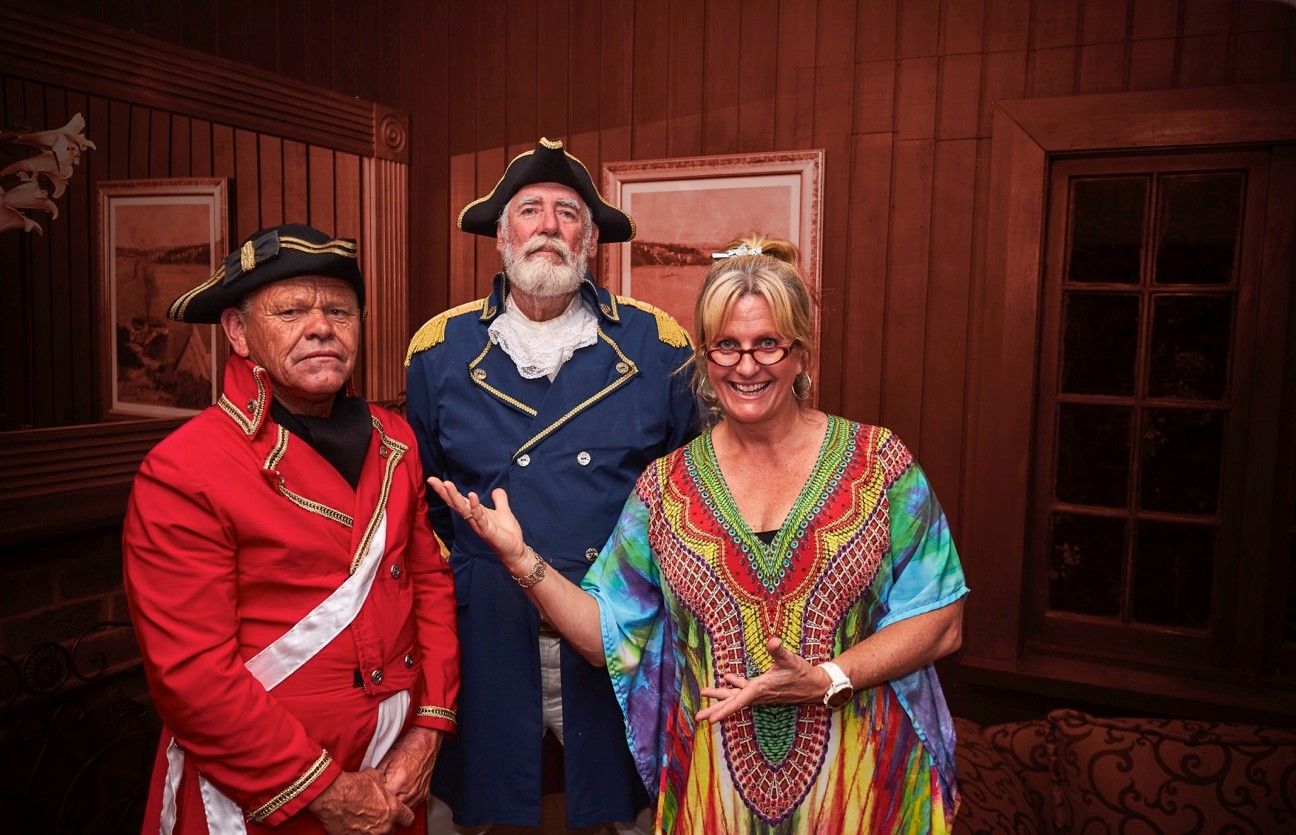
6. Farm Visits and Local Production
Norfolk is isolated, so the island produces what it can locally. You’ll visit:
- A state-of-the-art palm nursery exporting worldwide
- Hydroponic gardens run by Bounty Mutineer descendants
- The local distillery for liqueur tastings
- The local mill
- Private gardens for tea or coffee
You’ll also join the “Taste of Norfolk” tour, meeting a sea salt maker, tea growers, beekeepers, and cattle farmers. Sample traditional Tahitian-inspired recipes passed down through generations. The real interest is in the logistics and innovation required to make food production work when you’re 1,400km from the mainland.
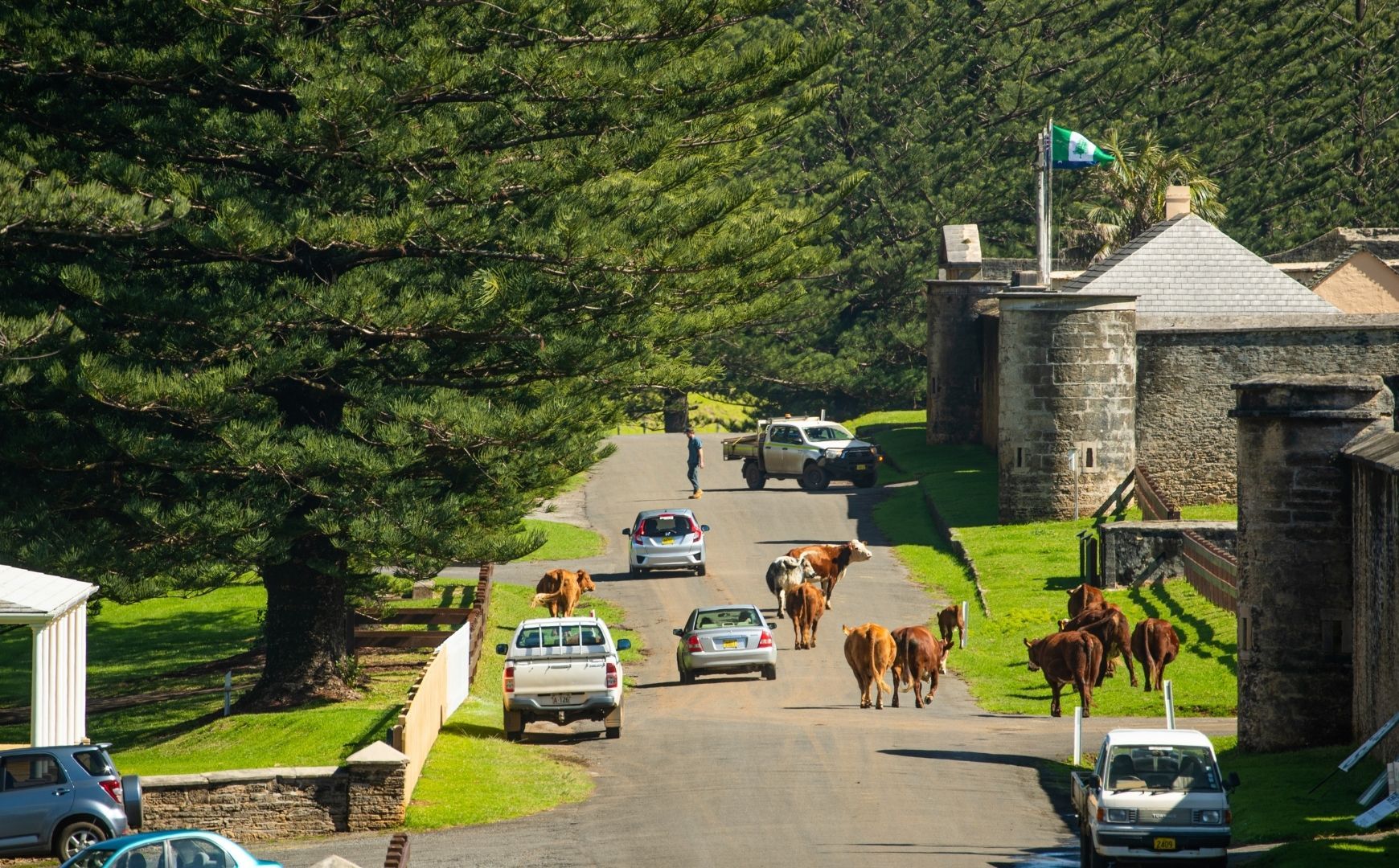
7. Behind-the-Scenes Island Operations
The “Norfolk Today” tour shows how a small Pacific island manages essential services. You’ll learn how they import fuel and generate power, manage waste, forecast weather, and maintain global communications.
If you’re interested in sustainable systems and the practical challenges of remote communities, this provides useful insight into what it actually takes to keep a 2,000-person island running.
8. Marine Research and Breakfast Bushwalk
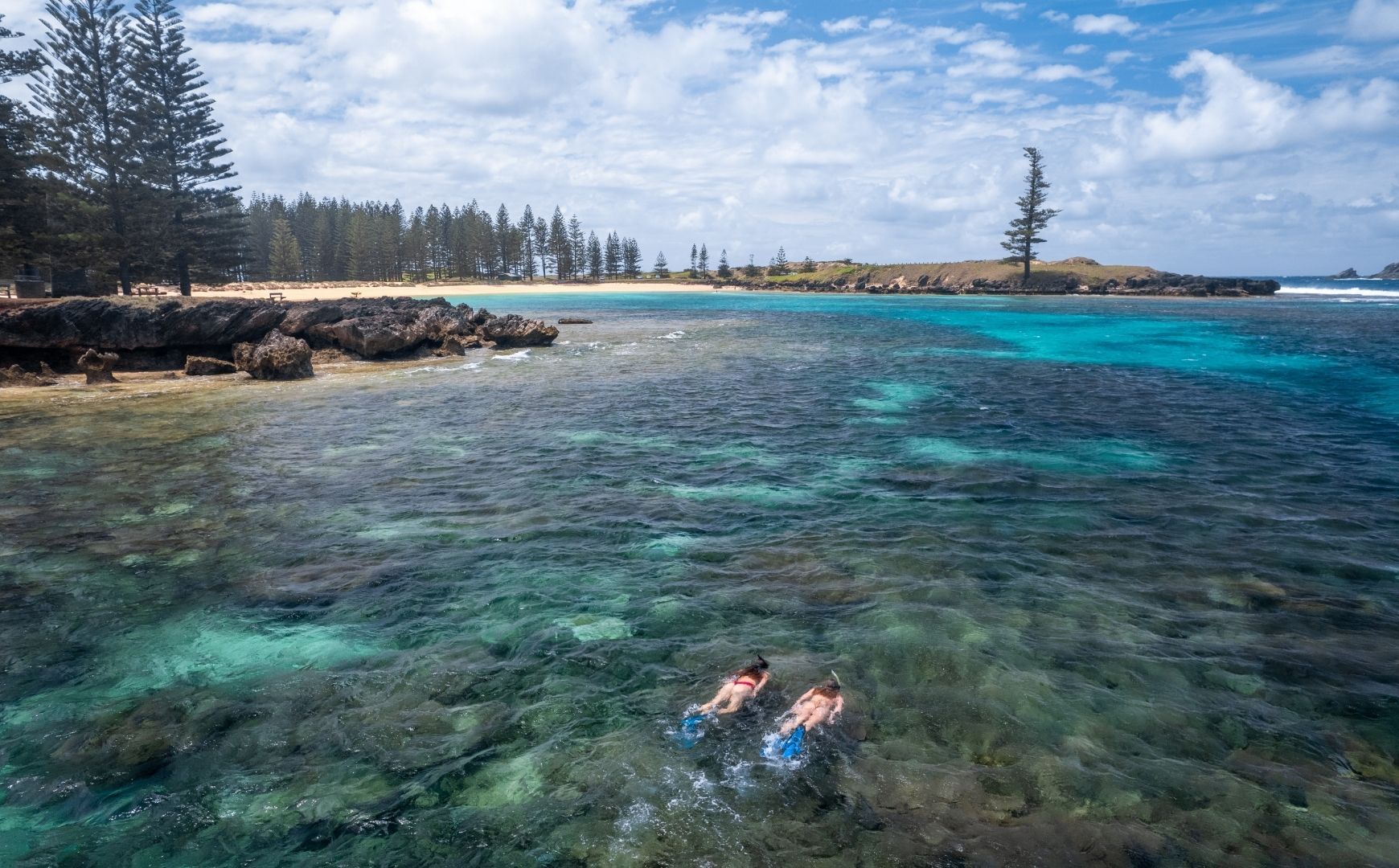
Marine researcher Susan Prior gives a 90-minute presentation on Norfolk’s reef ecosystem. You’ll learn about the marine environment, colonial-era shipwrecks, fish species, and climate change impacts on reef health. Straightforward science communication, accessible to non-specialists.
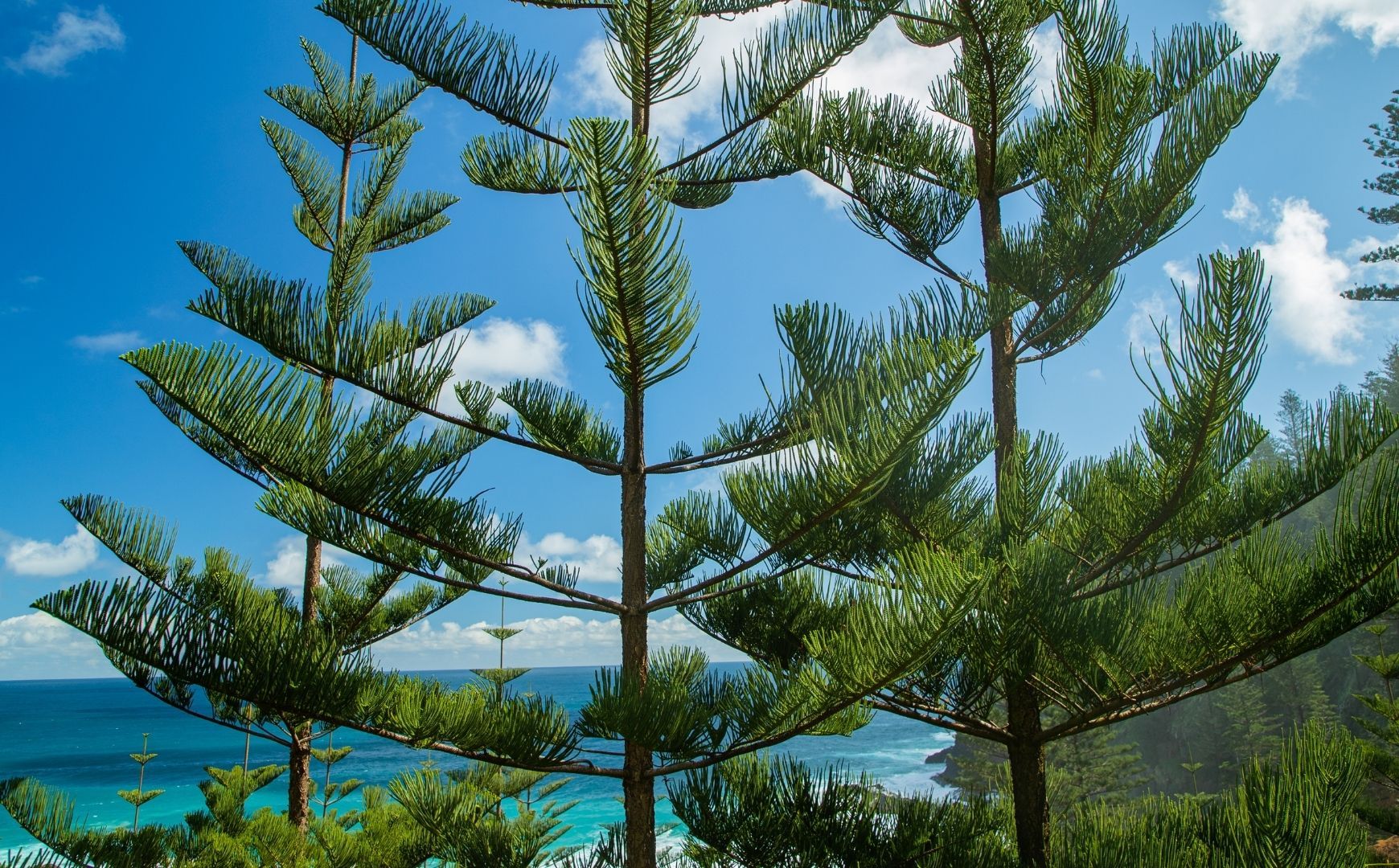
You’ll also start one morning with a guided breakfast bushwalk through coastal forest and rugged cliffs. Your local guide will help identify native plants and bird species while explaining the work of National Park rangers. A BBQ breakfast with all the trimmings
9. Group Size: 12 People Maximum
This matters more than you’d think. With 12 people maximum (minimum 4 to run), you can:
- Ask questions without competing for attention
- Move between locations efficiently
- Access sites that can’t accommodate larger groups
- Actually hear the guide without microphones
- Have real conversations with both guides and other travellers
Large tour groups create fundamentally different experiences. Small groups allow for depth and flexibility.
10. Profit for Purpose Model
Australian Geographic Travel operates as a profit-for-purpose organisation. Through their partnership with Australian Geographic, over half their profits support the Australian Geographic Society’s conservation work. This means your tour payment directly contributes to ongoing conservation programs across Australia—not as a token gesture, but as a fundamental part of the business structure.

Jan 16, 2026
Read More
Must-See Western Australia Wildlife: Link Your Adventure
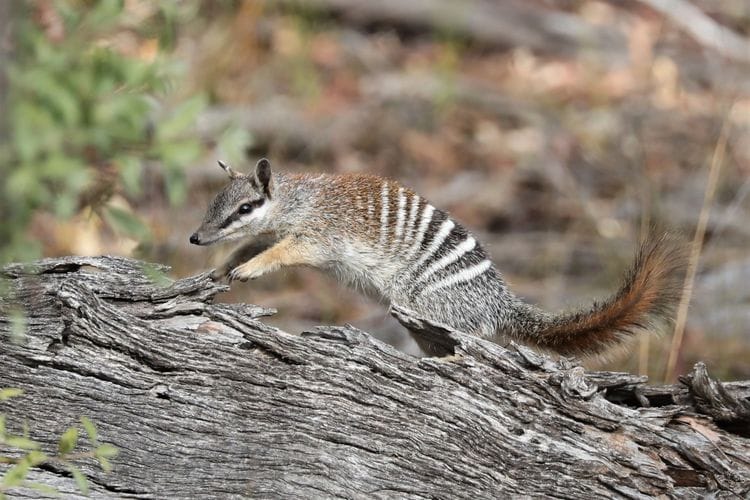
Iconic is the only way to describe Western Australia’s coastal wildlife. Where can you see Numbats, Orcas, Whale sharks and Rock-wallabies?
Why Our Citizen Science Tours Are Getting Rave Reviews
We investigated why our citizen science tours are getting 5 star reviews: it's all down to our guest's desire to give back to nature (and to meticulous pre tour planning)