Can a tour help conservation? Travel company leads the way
Conservation on tour : cutting-edge sustainable tourism
Tourism is often seen as an industry with a minimal interest in the environment. An Australian travel company is challenging that norm by switching the focus of its tours to conservation travel.
Australian Geographic Travel (AGT) is redefining travel to be a catalyst for conservation.
“Travellers are actively seeking eco-friendly travel options and they are considering the environmental impact of their travel choices,” says AGT Managing Director, Birgit Bourne.
In its recently launched “Conservation Travel & Sustainable Tourism Framework,” AGT invites travellers to experience a cutting-edge form of sustainable tourism where, they say: ‘every action we take makes a world of difference’.
How actions on tour make a difference to conservation
A growing number of travellers are seeking experiences that benefit both themselves and the planet.
“There is a noticeable increase in consumer awareness about sustainable issues,” says Bourne, “Recognising this evolving mindset we’ve developed a pioneering framework that prioritises conservation on all tours.”
AGT’s Director of Conservation, Roger Smith, says: “By adding meaningful conservation into our tours, guests become actively involved in caring for the planet.
“This shift challenges the belief that tourism and environmental protection are incompatible,” Smith said, “Instead, it’s an opportunity for our guests to become a powerful force for good.
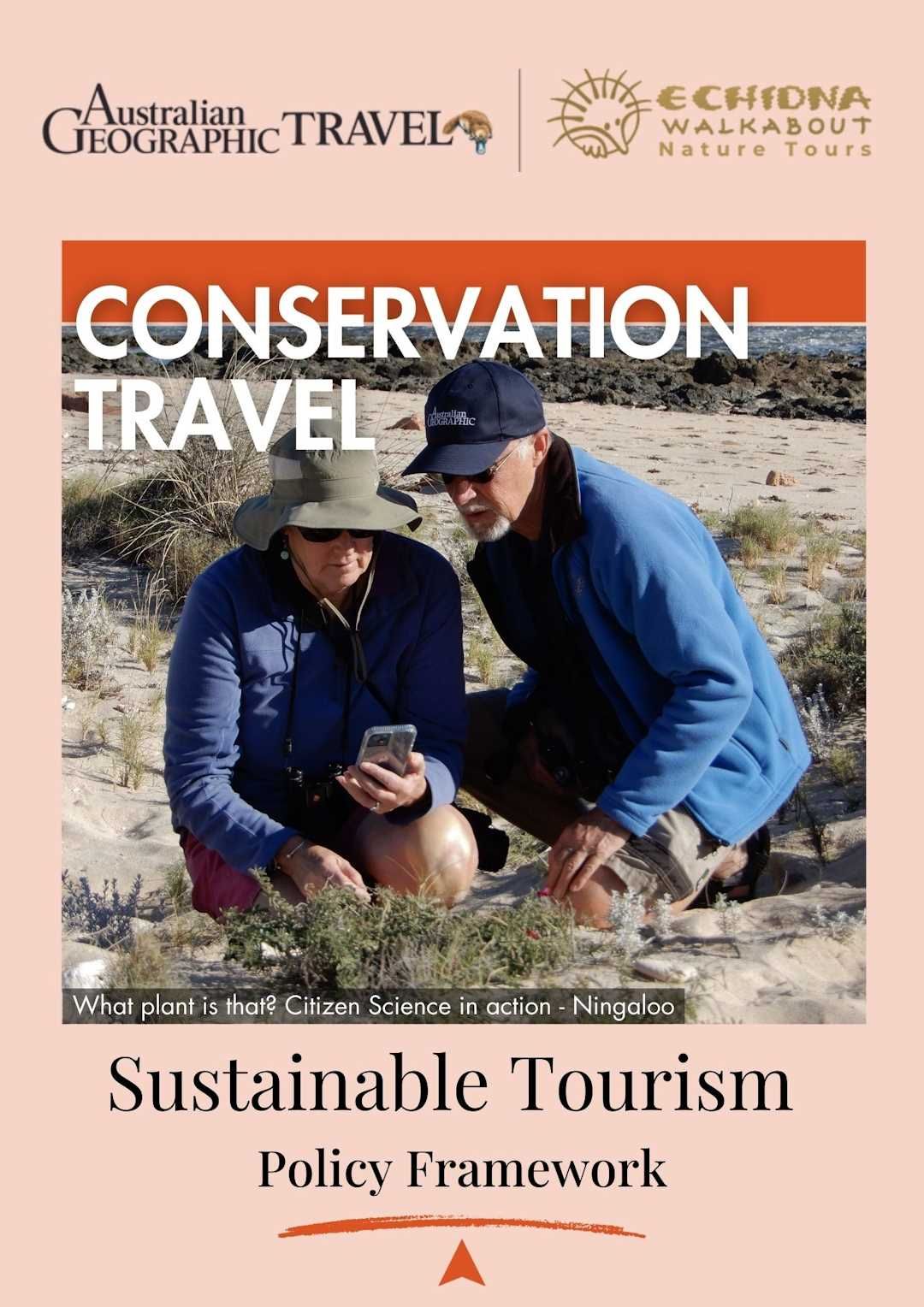
“Actions on our tours include citizen science programs that provide up-to-date information to online portals that scientists use to monitor environmental health and the conservation status of individual species.
“Through our new ‘Keep Helping Nature’ initiative we involve our guests in our ‘Care for Planet’ program which incorporates all the components of citizen science and much more.
“It’s lots of fun for everyone on tour, plus we’re regularly discovering new information for online nature forums like iNaturalist and eBird.
“By progressively integrating conservation into every aspect of our operations, we’re demonstrating that conservation travel is not only a planet changing endeavour it’s also profitable and fulfilling,” Smith said.
Conservation Travel : redefining sustainable tourism
AGT's framework is built on six pillars:
- Sustainable tourism
- Responsible travel
- Action on climate change
- Support for Indigenous Peoples
- Working with local communities
- Citizen Science initiatives
By incorporating sustainable practices, supporting local communities, and contributing to scientific research, AGT is aiming to redefine the industry’s relationship with the environment.
“This approach addresses the complex challenges facing our planet, from climate change to biodiversity loss and beyond,” says Smith.
The company says that its itineraries are meticulously designed to minimise ecological impact while maximising travellers’ experiences.
AGT’s remarkably successful Mungo Outback & Conservation Journey is the foundation tour upon which their conservation travel program was based (read more here: Mungo tour connects travel and climate change)
By partnering with local communities and carrying out dedicated conservation projects, Australian Geographic Travel aims to preserve precious ecosystems and empower its guests and local people.
Inspiring a new era of travel that prioritises the environment
So, can a tour help conservation?
“Absolutely, I’ve seen how effective citizen science can be,” says Smith, “Travellers who book our tours can choose to contribute directly to conservation efforts meaning they will help nature while they enjoy it.”
The company’s commitment to prioritising the environment is setting a new benchmark for the travel industry both in Australia and across the globe.
Read or download the Framework
For more information contact: Roger Smith 0427 808 745
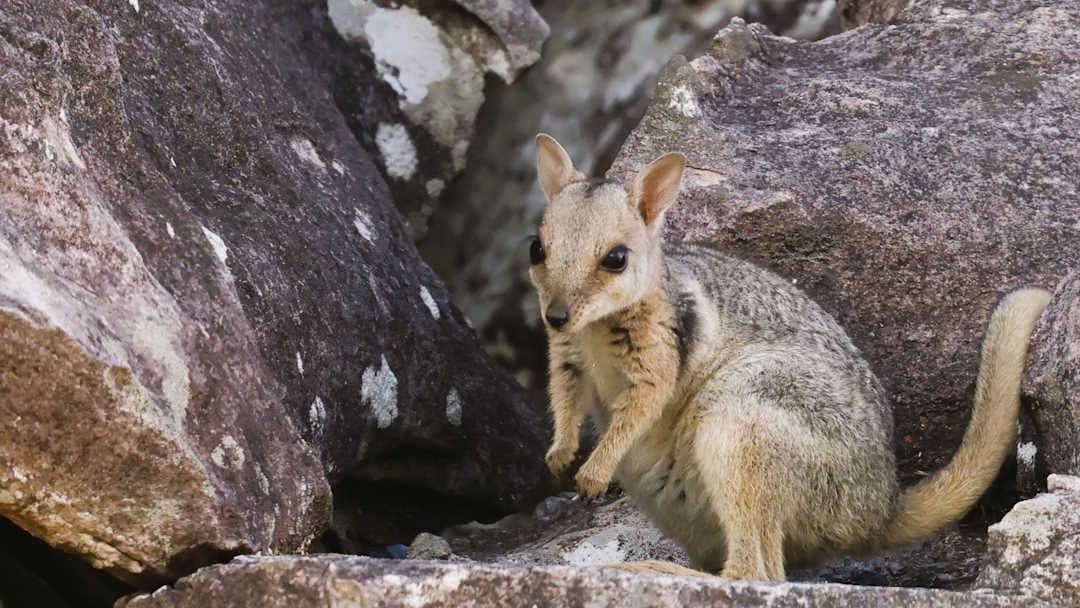
Featured photo: Wilkins Rock-wallaby (joey) : a declining tropical species monitored through citizen science by Australian Geographic Travel during tours into Kakadu National Park.
Photo credit: Tony Martin (credit must be applied to any reproduction)